
Healthy-looking skin is not only about hydration or a temporary glow. As skin changes with age, you may begin to notice that it looks thinner, feels less firm, or no longer has the smooth texture it once had. Even with a consistent skincare routine, some concerns may need a more targeted approach.
This is where RE20 skin booster treatment may be worth discussing with a qualified medical professional. Designed around human acellular dermal matrix (hADM), RE20 offers a different approach to skin quality compared with conventional hydration-focused boosters. But how do you know when it may be suitable for your skin?
5 Signs You May Want to Consider RE20
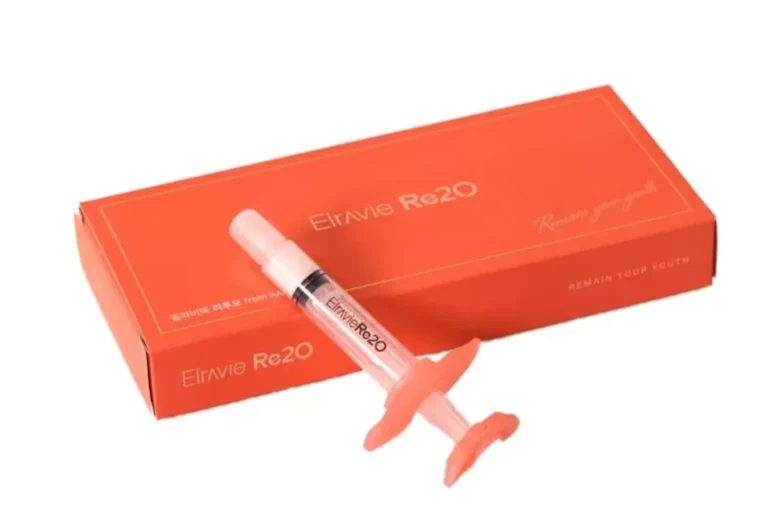
Not everyone needs an injectable skin booster. However, if you notice several of the following changes, a professional skin assessment may help you understand your options.
1. Your Skin Looks Thinner and Less Firm
Over time, changes in collagen and the skin’s supporting structures can affect its overall appearance. Your skin may look less dense, feel less firm, or appear more delicate than before. If these changes are becoming noticeable, ask your doctor whether a treatment focused on dermal structure, such as RE20, may be appropriate.
2. Your Pores Look More Visible
Pores can appear larger for several reasons, including excess sebum, reduced elasticity, and changes in the surrounding skin. When skin loses firmness, pores may look more noticeable, particularly around the cheeks and nose.
RE20 may be considered as part of a treatment plan for concerns involving skin texture and dermal support. However, pore appearance can have multiple causes, so the right approach depends on your skin condition.
3. Your Skin Has Lost Its Natural Smoothness
Does your skin look uneven even when you are not experiencing breakouts? Changes in skin texture can be related to aging, sun exposure, previous acne, and reduced skin elasticity. If your main concern is rough or uneven-looking skin, your doctor can assess whether RE20 or another texture-focused treatment is more suitable.
4. Your Skin Looks Tired Despite Regular Skincare
You may already use moisturizer, sunscreen, and other skincare products regularly, but your skin still looks dull or less refreshed. This does not necessarily mean your skincare routine is ineffective. Some concerns involve changes beneath the skin surface that topical products may not fully address. A professional skin treatment may be worth considering if your goal is to improve overall skin quality rather than simply add surface hydration.
5. You Want to Address Early Skin Aging
You do not need to wait until wrinkles or sagging become prominent before discussing preventive skin care. Early changes such as reduced firmness, visible pores, and uneven texture may be reasons to seek a professional assessment. The most appropriate treatment depends on your skin’s current condition, age-related changes, and individual goals.
What Makes RE20 Different?
RE20 is a skin booster associated with human acellular dermal matrix (hADM).
The dermal matrix is a structural component of skin that includes materials such as collagen and elastin. In an acellular dermal matrix, cellular components are removed during processing, leaving the matrix material. This makes RE20 different from some conventional skin boosters that primarily focus on hydration or use other active ingredients. Rather than simply targeting surface moisture, RE20 is positioned around the concept of supporting the skin’s dermal environment. It is important to understand that RE20 is not a stem cell treatment. Its composition and treatment approach are different from live-cell therapies.

Is RE20 the Right Skin Booster for You?
RE20 is not necessarily the best choice for every skin concern. Different skin boosters have different formulations and purposes. Here is a simple comparison to help you understand the treatment approaches:
| Skin Concern | Treatment Approach to Discuss |
|---|---|
| Thin-looking skin and reduced dermal support | RE20 |
| Dehydration and loss of moisture | Hyaluronic acid-based skin boosters |
| Skin quality and barrier-related concerns | PN-based skin boosters such as Rejuran |
| Acne-related texture concerns | Texture-focused treatments such as Juvelook or microneedling-based treatments |
Note: Different treatments address different skin concerns. The most suitable option depends on your skin condition and should be determined through consultation with a qualified medical professional.
The best option depends on the cause of your concern. Some patients may benefit from a single treatment, while others may need a combination approach.
What Should You Expect Before RE20 Treatment?
Before considering RE20, a consultation is important. Your doctor should assess your skin condition, discuss your treatment goals, and review your medical history. You should also have an opportunity to ask about the product, injection technique, expected recovery, possible side effects, and alternative treatments.
As RE20 is an injectable treatment, temporary redness, swelling, bruising, tenderness, or injection-site reactions may occur. Your doctor should explain the possible risks and aftercare instructions before proceeding. The number of sessions and treatment intervals should be determined individually rather than following a fixed schedule for everyone.
Why Consider RE20 at VIEW Skin Clinic in Korea?
Choosing a skin booster is not just about selecting a product. It is also about understanding what your skin needs and whether the treatment is appropriate for you. At VIEW Skin Clinic, treatment planning begins with an individual assessment of your skin concerns and goals. Our medical team can help you understand the differences between available skin booster options and discuss whether RE20 may be suitable for your skin condition. For international patients visiting Seoul, our multilingual support team can also help with consultation arrangements and treatment planning.
FAQ
RE20 is a skin booster based on human acellular dermal matrix (hADM). It is associated with a dermal-support approach to skin quality. Its suitability depends on individual skin concerns and medical assessment.
It may be considered for patients concerned about thin-looking skin or reduced dermal support. A doctor should first evaluate the cause and determine whether RE20 is appropriate.
RE20 may be discussed as an option when visible pores are associated with changes in skin texture or firmness. However, pores can have several causes, and improvement cannot be guaranteed.
No, RE20 is associated with human acellular dermal matrix. It is different from treatments involving live stem cells.
The recommended number of sessions depends on your skin condition, treatment goals, and medical assessment. Your doctor will explain an appropriate treatment plan during consultation.
As an injectable procedure, RE20 may cause temporary redness, swelling, bruising, tenderness, or small injection-site marks. Recovery varies between individuals.