
You use a cleanser, apply serum, moisturize every day, and never forget sunscreen. But when you look in the mirror, your skin still seems tired, uneven, or lacking its natural glow.
Why does this happen?
Healthy-looking skin is not just about how much skincare you apply. Hydration, skin texture, collagen levels, pigmentation, and the condition of the dermis all influence how your complexion looks. Sometimes, changing your skincare products is not enough to address these concerns. This is why many people consider professional skin treatments to improve their overall skin quality. If your complexion does not look as fresh as you would like, here are some possible reasons and treatment options worth exploring.
Your Skin May Need More Than Surface Hydration
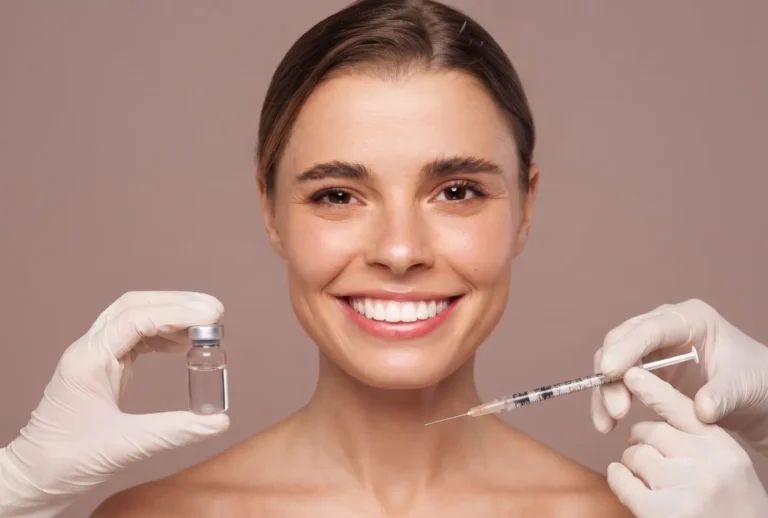
One of the most common reasons skin looks dull is dehydration. When the skin lacks moisture, it may appear less plump, feel tight, and show fine lines more noticeably. Even people with oily skin can experience dehydration. Applying moisturizer is important, but hydration is only one part of skin quality. The skin’s texture, elasticity, and supporting structures also influence its overall appearance.
What can you consider?
If dryness and a dehydrated appearance are your main concerns, a hydration-focused skin treatment may be worth discussing with your dermatologist. Depending on your skin condition, professional skin boosters may be considered as part of a personalized treatment plan.
Uneven Texture Can Make Your Skin Look Less Radiant
Have you noticed that your skin looks dull even when it feels moisturized? The problem may be related to texture rather than hydration alone. Enlarged pores, rough skin, acne marks, and uneven surface texture can affect how light reflects off your complexion. As a result, your skin may look less smooth and radiant.
What can you consider?
Different treatments address different aspects of skin texture. Depending on the concern, your doctor may discuss professional skin care, microneedling-based treatments, or selected skin boosters. For example, Juvelook and Rejuran are two options with different ingredients and treatment concepts that may be discussed when evaluating overall skin quality.
Your Skin May Be Losing Its Firmness
Skin naturally changes with age. Collagen and elastin are important components of the dermis, helping maintain its structure and elasticity. Over time, changes in these supporting components can contribute to fine lines, reduced firmness, and less defined skin texture. This is one reason why some people feel that their skin looks tired even when they maintain a consistent skincare routine.
What can you consider?
Depending on your concerns, your dermatologist may discuss collagen-stimulating treatments, skin boosters, or non-surgical lifting procedures. The right approach depends on whether your main concern is skin texture, mild laxity, or deeper facial volume changes.
Pigmentation May Be Hiding Your Natural Glow
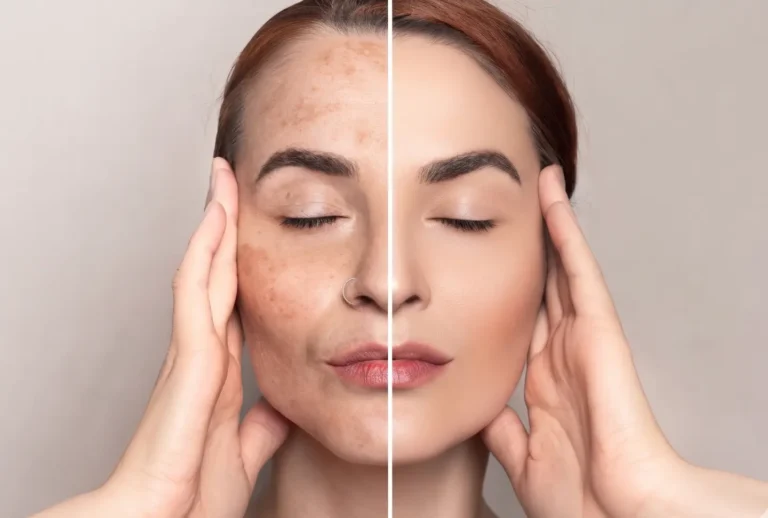
Sometimes, what looks like dull skin is actually uneven pigmentation. Sun exposure, post-acne marks, and melasma can create areas of uneven skin tone. Even if your skin feels smooth and hydrated, pigmentation can make your complexion appear less bright.
What can you consider?
Pigmentation concerns require careful assessment because different types of discoloration may need different approaches. Depending on the diagnosis, your doctor may recommend selected laser treatments or other pigmentation-focused care. It is important not to treat all dark spots in the same way, especially if you have melasma or sensitive skin.
Which Skin Booster Should You Consider?
If your main concern is overall skin quality, skin boosters may be one option to discuss during your consultation. However, not all skin boosters work in the same way. Their ingredients and treatment concepts differ, so the best choice depends on your individual skin condition. Here are several options available to explore at View Skin Clinic.
To support your skin after treatment:
- Apply broad-spectrum SPF 30 or higher every day.
- Use a gentle cleanser and moisturizer.
- Avoid harsh exfoliants and irritating skincare products until your skin has recovered.
- Follow your doctor’s instructions about makeup, exercise, sauna use, and other activities.
- Avoid excessive heat or friction if advised by your doctor.
Rejuran: For a PN-Based Skin Quality Approach
Rejuran is a polynucleotide (PN)-based skin booster. It is commonly considered by patients interested in addressing skin texture, fine lines, and overall skin quality.
Juvelook: PDLLA and Hyaluronic Acid
Juvelook combines poly-D,L-lactic acid (PDLLA) and hyaluronic acid (HA). Its formulation combines a collagen-stimulating component with HA, making it an option to discuss when considering texture and fine-line concerns.
CellREDM: An ECM-Based Approach
CellREDM uses human-derived acellular dermal matrix (hADM), containing components such as collagen, elastin, and glycosaminoglycans (GAGs). Its approach is different from conventional PN- or PDLLA-based skin boosters because it focuses on extracellular matrix components.
Revive: A Hydration-Focused Option
For patients whose main concern is dry or dehydrated-looking skin, Revive may be another option to discuss. Its treatment approach can be considered as part of a personalized plan focused on skin hydration and appearance.
Quick Comparison: Which Treatment Should You Explore?
| Skin Booster | Main Ingredient | Main Focus |
|---|---|---|
| Rejuran | Polynucleotides (PN) | Skin quality and overall skin condition |
| Juvelook | PDLLA + Hyaluronic Acid | Collagen-stimulating approach and skin texture |
| CellREDM | Human-derived acellular dermal matrix (hADM) | Dermal extracellular matrix (ECM) components, including collagen and elastin |
| Revive | Check the specific product formulation | Hydration-focused skin improvement |
Note: Each skin booster has a different formulation and treatment approach. The most suitable option depends on your skin condition, concerns, and consultation with a qualified medical professional.
These treatments are not interchangeable. A consultation is important to determine which option is appropriate for your concerns and medical history.
Why a Personalized Skin Treatment Plan Matters
One person may have dehydrated skin, while another may struggle with pigmentation, enlarged pores, or reduced elasticity. Although both may describe their skin as dull, their treatment needs can be completely different.
At View Skin Clinic, the goal is not simply to recommend the most popular skin booster. It is to understand your skin condition and identify an appropriate treatment approach. During consultation, you can discuss:
- Your main concerns, such as dryness, dullness, pigmentation, or uneven texture
- Your previous skincare and aesthetic treatments
- Which treatment options may suit your skin
- Possible side effects and recovery time
- Whether different treatments can be combined safely
Conclusion: Give Your Skin More Than Just Another Skincare Product
If your skin still looks dull despite a consistent skincare routine, it may be time to understand what is actually affecting your complexion. Dehydration, uneven texture, pigmentation, and reduced firmness can all contribute to tired-looking skin. Each concern requires a different approach, which is why choosing a treatment based on your skin condition is more important than following the latest trend. From hydration-focused treatments to PN-based, PDLLA-based, and ECM-focused skin boosters, View Skin Clinic offers different options to explore.
At View Skin Clinic, our team can help assess your skin and recommend suitable treatment options based on your individual concerns. Schedule a consultation to explore which laser or skin lifting treatment may be right for you. Contact View Skin Clinic to schedule a consultation.
FAQ
The price of a skincare product does not determine how well it addresses your skin concerns. Dullness may be related to dehydration, pigmentation, uneven texture, or changes in skin elasticity. Your routine may need adjustment, or you may benefit from a professional skin assessment.
There is no single best skin booster for everyone. Rejuran, Juvelook, CellREDM, and Revive have different ingredients and treatment concepts. The appropriate option depends on what is contributing to your dull-looking skin.
Some treatments may address more than one aspect of skin quality, but their effects and suitability vary. Your dermatologist can explain what each treatment is intended to address.
Yes. CellREDM uses human-derived acellular dermal matrix, Rejuran is PN-based, and Juvelook contains PDLLA and HA. They use different materials and treatment concepts.
Not necessarily. Some patients may only need one appropriate treatment, while others may benefit from a combination plan. The decision should be based on your skin condition rather than the number of procedures.
The timeline varies depending on the product, treatment technique, and individual response. Your doctor should explain realistic expectations, recommended follow-up, and possible downtime before treatment.
The number of sessions depends on the treatment, skin concern, and desired outcome. Some procedures may require multiple sessions, while others are planned according to individual needs.