
introduction
What is blood-derived stem cell therapy?
Stem cell therapy has advanced from experimental research to active clinical implementation.
Blood-derived stem cell therapy utilizes stem cells isolated and concentrated directly from the patient’s blood to promote natural tissue regeneration.
Since patient-derived cells are utilized, immune rejection and biocompatibility concerns are minimized, enabling a seamless single-day procedure from blood collection to administration.
Blood-derived stem cell therapy utilizes stem cells isolated and concentrated directly from the patient’s blood to promote natural tissue regeneration.
Since patient-derived cells are utilized, immune rejection and biocompatibility concerns are minimized, enabling a seamless single-day procedure from blood collection to administration.
At View Skin Clinic, advanced cell counting technology allows patients to directly confirm the count of viable cells that is central to effective treatment.
Discover trusted Korean blood-derived stem cell therapy with confidence at View.
Patient Journey
What to expect during treatment
Blood-derived stem cell therapy at View follows a structured four-step protocol based on MCT (Meta Cell Technology). Your own blood is used to concentrate CD34+ haematopoietic stem cells, which are then activated using photothermal biomodulation before administration.
total visits
2–3
including consultation
treatment window
Same day
collection to administration
downtime
Minimal
same-day return
effect
4-12 wks
post-administration
1
Consultation and Eligibility Assessment
A one-on-one consultation with a medical specialist determines your treatment objectives, optimal stem cell source, and administration method. Personalized protocols are established for specific goals such as dermal regeneration, scalp revitalization, and systemic health restoration.
Medical History and Clinical Evaluation
We assess current pharmacotherapy, previous clinical history, underlying autoimmune conditions, and procedure contraindications.
Note Individuals with active autoimmune conditions, recent history of malignancy, or active systemic infection may be excluded from candidate selection. Your physician will review these criteria thoroughly during consultation.
2
Blood Collection
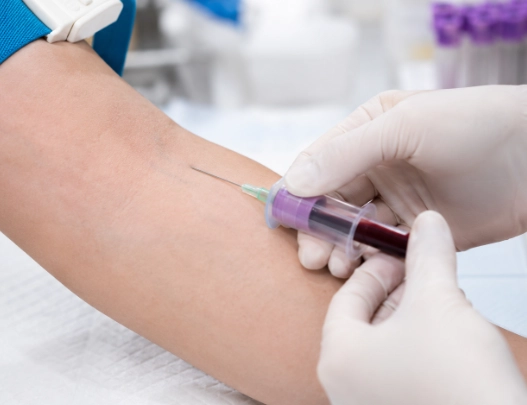
A small volume of blood is drawn in the same manner as a routine blood test. The procedure requires no general anesthesia or inpatient hospitalization, and the collected sample is immediately transferred to our on-site cleanroom laboratory.
Blood Collection Method
Blood is drawn from a vein in a small volume. No separate pre-treatment is required, and unless precise diagnostic testing is scheduled, normal meals and hydration are permitted prior to collection.
3
Laboratory Processing
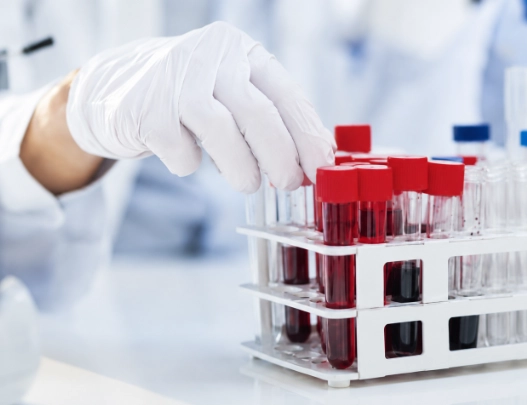
The collected blood is centrifuged in an MFDS-certified cleanroom facility to separate plasma, platelets, and concentrated cell fractions.
Centrifugation
The mononuclear cell fraction is isolated from plasma and red blood cells. The layer enriched with CD34+ hematopoietic stem cells is carefully harvested.
4
Cell Count and Quality Verification
The total cell count and viability of the processed cell product are measured to confirm compliance with therapeutic standards. Any product that fails to meet these criteria is not administered.
Cell Count Confirmation
CD34+ stem cell concentration is quantified via flow cytometry to verify a 55 to 282-fold concentration relative to standard PRP.
Viability Assessment
Cell viability is thoroughly evaluated. Any sub-standard cell product is immediately discarded and excluded from clinical application.
High-Concentration ExtractionUnlike standard PRP treatments that rely primarily on platelets and growth factors, MCT technology achieves a 55 to 282-fold concentration of CD34+ hematopoietic stem cells, enabling fundamental cellular-level regeneration.
5
Cell Administration and Procedure
Same-day administration is performed exclusively for cell products that satisfy cell count criteria. Cells are delivered via intravenous infusion, microneedling, or targeted micro-injection tailored to specific therapeutic goals.
Intravenous Infusion
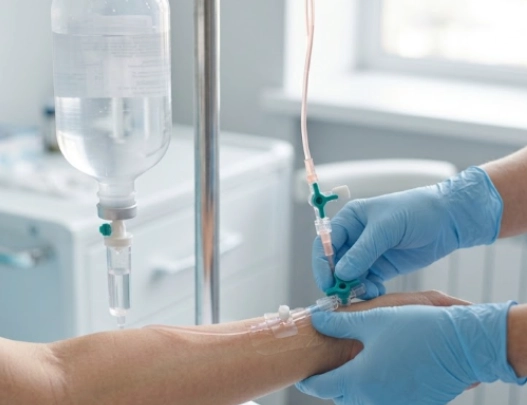
This approach is designated for systemic anti-aging and immune support. The infusion is administered slowly over a period of 60 to 90 minutes under continuous patient monitoring.
Intradermal Injection
This method is applied for skin rejuvenation and scalp treatments. Micro-needles are utilized following the application of topical anesthetic cream prior to the procedure.
Post-Procedure PrecautionsMild erythema or swelling may occur at the injection site, which typically subsides naturally within 1 to 3 days (24 to 72 hours). For optimal recovery, strenuous exercise and direct exposure to sunlight should be avoided for 48 hours following treatment.
6
Follow-Up Care and Progress Monitoring
The necessity of a second procedure is determined through regular progress evaluations by the attending physician. Patient recovery is systematically documented based on objective data to provide personalized care.
Recovery Support Program
Adjuvant programs to assist recovery, such as hyperbaric oxygen therapy, may be recommended when clinically indicated.
Subsequent Treatment Planning
If additional treatment sessions are recommended, the schedule and protocol adjustments are finalized during this stage.
MINIMALLY INVASIVE
How blood stem cells are collected
The extraction procedure is straightforward and minimally invasive. It involves a simple venous blood draw identical to routine clinical blood testing, with no requirement for general anesthesia or inpatient care. Upon collection, the sample is promptly delivered to our on-site cleanroom facility for processing under standardized protocols.
Depending on individual therapeutic objectives and treatment scope, blood collection volume can be adjusted between 60 cc and 180 cc. This enables flexible treatment planning for local tissue repair, systemic therapy, or multi-site treatment programs. Treatments involving 120 cc or higher automatically include a comprehensive Cell Count Report.
Quality assured
Laboratory processing
Upon collection, the specimen is promptly delivered to our certified cleanroom facility. As whole blood contains a complex mixture of cellular components, rigorous isolation, concentration, and quality control procedures are required for clinical application
Cleanroom Transfer
Immediately following blood collection, the sealed specimen is transferred to our certified on-site cleanroom facility. All subsequent processes are conducted within a strictly controlled environment that prevents external contamination, and the specimen is never removed from the premises.
Centrifugation & Separation
Mononuclear cell fraction containing HSCs and progenitor cells is isolated from plasma and red cells.
High-Concentration MCT Processing
It achieves a 55 to 282-fold concentration of CD34+ hematopoietic stem cells relative to conventional PRP. By leveraging photothermal photobiomodulation, cell activation is enhanced to maximize growth factor secretion and therapeutic potential.
Flow Cytometry
Both cell count and viability rate are rigorously evaluated. Only high-purity cells exceeding our rigorous internal therapeutic criteria are approved for administration.
CLINICAL APPLICATIONS
What can blood-derived stem cells treat?
HSCs and the growth factors they secrete have demonstrated utility across several clinical areas. At View Skin Clinic, blood-derived stem cell therapy is offered for the following indications.
01
Systemic Health Restoration
Intravenous infusion of autologous haematopoietic stem cells is used as a supportive intervention for patients seeking to address systemic decline associated with ageing, prolonged stress, or general health deterioration. By replenishing circulating progenitor cells and modulating the body’s regenerative environment, the treatment aims to support overall vitality, physical resilience, and long-term wellbeing. Conducted under strict clinical monitoring and subject to individual eligibility assessment.
02
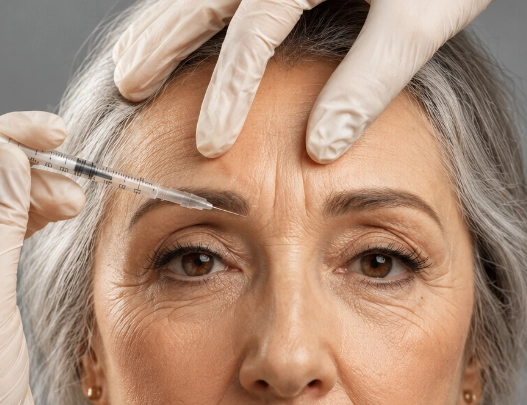
Skin Rejuvenation
Paracrine signaling from stem cells stimulates local fibroblast activity, supporting collagen synthesis and improving skin texture, tone, and fine line appearance. Results develop gradually over four to twelve weeks post-treatment.
03
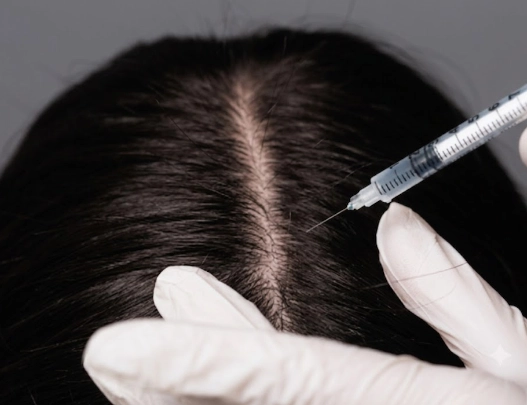
Scalp & Hair
Growth factors such as VEGF and HGF, present in stem cell preparations, have been associated with improved follicle microcirculation, making them a complementary option for patients experiencing diffuse hair thinning.
04
Systemic Anti-Aging
As part of a broader preventive medicine programme, IV stem cell infusion aims to support cellular repair mechanisms that naturally decline with age. It is intended as a supportive intervention, not a cure for age-related diseases.
For fat-derived alternatives, see our Adipose Stem Cell Therapy page. For bone marrow concentrate protocols, visit our BMAC page.
EVIDENCE – BASED
Safety & results
Autologous therapy uses your own cells, eliminating the primary risks associated with donor stem cell treatments, including immune rejection, graft-versus-host disease, and the transmission of infectious diseases.
Reported adverse effects in autologous HSC applications are generally mild and transient. Serious adverse events are rare. As with any medical procedure, individual response varies, and View Skin Clinic does not make outcome guarantees.
common side effects
- Injection Site Erythema and Swelling: Typically improves within 24 to 72 hours.
- Transient Fatigue Post-Cell Harvest: Temporary tiredness following the cell collection process.
- Arm Fatigue or Dizziness During Apheresis: Mild discomfort during the apheresis procedure, with rapid recovery immediately following completion.
Clinical Note Published peer-reviewed data on autologous stem cell applications for aesthetic and anti-aging indications is growing but remains an evolving evidence base. Your physician will present relevant literature and realistic expectations during your consultation.
why view
Why choose View Skin Clinic
01
Safe 100% Autologous Cells
Using only autologous stem cells extracted from your own body, we guarantee a safe procedure while minimizing the risk of immune rejection.
02
Verified Cell System
Using advanced extraction systems approved by KFDA, CE, and EM, we selectively harvest
a rich volume of stem cells and verify the exact count required through precise cell counting.
03
Tailored Premium Treatment
Maximizing the viability of separated autologous stem cells up to 98%, each treatment is customized to your specific goals, ranging from full-body vitality to skin and joint rejuvenation.
FAQ
Frequently asked questions
Is this the same as a stem cell IV drip I've seen advertised online?
No. Many marketed “stem cell drips” contain exosomes or conditioned media, not live autologous cells. View uses cells isolated directly from your blood under certified laboratory conditions — a regulated medical procedure, not a wellness supplement.
How many sessions will I need?
While individual therapeutic response varies depending on the patient’s clinical condition, the benefits of cellular therapy accumulate progressively over multiple sessions. Therefore, a treatment protocol of at least three sessions is recommended to achieve stable, long-lasting outcomes.
Is the blood collection process painful?
The procedure is performed in the same manner as a routine blood test, causing minimal to no discomfort. General anesthesia or hospitalization is not required, allowing you to return to your daily activities immediately after collection.
How is this different from PRP?
PRP isolates platelets and growth factors but does not concentrate stem cells. The two therapies are complementary and sometimes used together.
Can I combine this with other treatments at View?
Yes, in many cases. Combination protocols are designed case-by-case during your consultation, with sequencing and safety taken into account.
Ready to explore your options?
Book a consultation at View Skin Clinic in Seoul. Our physicians will assess your suitability and design a protocol matched to your goals — with no obligation to proceed.