
Have you ever applied moisturizer, waited for your skin to absorb it, and carefully applied foundation, only to find your makeup looking dry, cakey, or uneven? You are not alone. Even when you follow a consistent skincare routine, your foundation may still cling to certain areas, emphasize pores, or separate throughout the day.
The reason is that makeup does not depend on hydration alone. Skin texture, excess oil, dead skin buildup, and the condition of your skin surface can all affect how smoothly makeup applies. If your makeup constantly looks patchy despite moisturizing, it may be time to look beyond your skincare products.
5 Reasons Your Makeup Looks Patchy
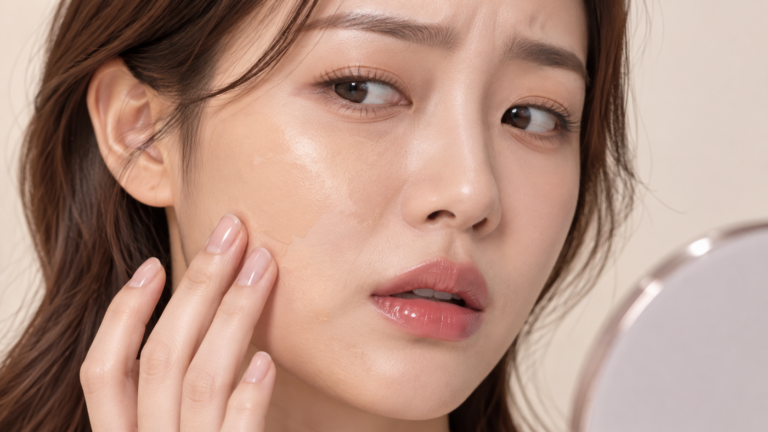
1. Your Skin Is Still Dehydrated
One of the most common reasons foundation looks dry or flaky is insufficient skin hydration. Dehydrated skin may appear dull, feel tight, and develop small dry patches. When foundation is applied, it can settle into these areas instead of creating an even finish.
Moisturizer helps support the skin’s moisture barrier, but the right product and routine matter. If dryness continues despite regular moisturizing, consider discussing your skin condition with a professional.
2. Uneven Skin Texture Makes Foundation Harder to Apply
Do you notice your foundation collecting around your pores or looking uneven across your cheeks? Uneven skin texture can make it difficult for makeup to sit smoothly. Enlarged pores, old acne marks, rough patches, and changes in skin elasticity may all contribute to an uneven finish. In these cases, adding more moisturizer or primer may not fully address the underlying concern. Professional treatments such as microneedling-based procedures or selected skin boosters may be discussed depending on the cause of the texture concern.
3. Dead Skin Cells Build Up on the Surface
Sometimes, your skin may feel rough even though it does not look particularly dry. A buildup of dead skin cells can make the surface appear dull and uneven. Foundation may then cling to rough areas, making your complexion look cakey. Gentle exfoliation may help when appropriate, but over-exfoliating can irritate the skin and damage its moisture barrier. If rough texture persists, a professional skin assessment can help determine whether gentle skin treatments or another approach may be more suitable.
4. Your Skin Produces Too Much Oil
Interestingly, oily skin can also cause patchy makeup. When excess sebum mixes with foundation, makeup may separate, become shiny, or disappear around the nose, forehead, and chin.If you have oily skin with visible pores, your makeup problem may not be caused by dehydration alone. Professional skin treatments can be considered to address specific concerns such as excess oil, pores, and uneven texture. The right treatment depends on your skin condition.
5. Your Skin Is Losing Firmness
As skin changes with age, reduced elasticity and structural support can affect its overall appearance. You may begin to notice that pores look more visible, fine lines are more noticeable, or your skin does not look as smooth as it used to. These changes can also make foundation settle unevenly in certain areas. If you notice these changes alongside patchy makeup, it may be worth discussing skin-quality treatments or non-surgical lifting options with your doctor.
Which Skin Treatment Should You Consider?
If makeup repeatedly looks patchy despite a consistent skincare routine, identifying the underlying cause is the first step.
Different skin concerns require different approaches. Here are some professional treatments you may discuss during consultation:
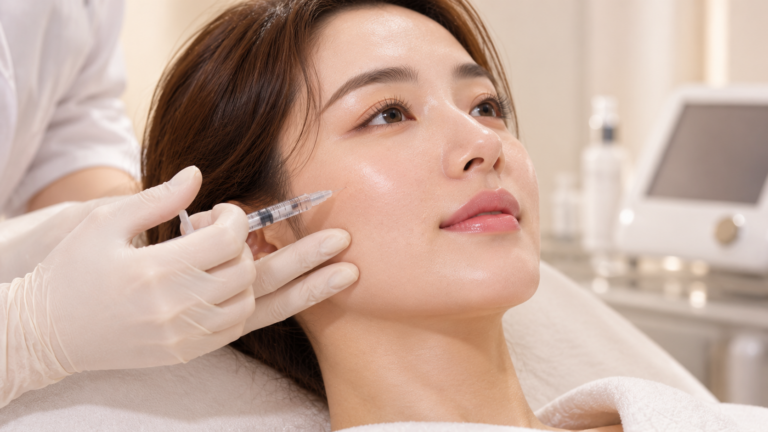
| Skin Concern | Treatment to Discuss |
|---|---|
| Dehydrated and dull-looking skin | Hydration-focused skin boosters |
| Uneven texture and enlarged pores | Vivace or selected skin boosters |
| Acne marks and rough skin texture | Juvelook or microneedling-based treatments |
| Thin-looking skin and reduced dermal support | RE20 or other suitable skin boosters |
| Reduced firmness and mild skin laxity | Non-surgical lifting treatments |
Note: Treatment options are suggestions for discussion, not guaranteed solutions. The most suitable approach depends on your skin condition and should be determined through consultation with a qualified medical professional.
These treatments have different purposes and are not interchangeable. A doctor should assess your skin before recommending a treatment plan.
Skin boosters are designed to address different aspects of skin quality, depending on their formulation.
Can Skin Boosters Help Your Makeup Look Smoother?
The goal is not simply to make makeup look better for one day. It is to assess the skin concerns that may be affecting your overall complexion. However, skin boosters do not directly fix every cause of patchy makeup. Product choice, application technique, skincare compatibility, and individual skin conditions still matter.
Simple Tips to Make Your Makeup Apply More Evenly
Before considering professional treatments, you can also make a few adjustments to your daily routine:
- Avoid over-exfoliating: Too much exfoliation can irritate your skin and make dry patches worse.
- Allow skincare to absorb: Give moisturizer and sunscreen enough time to settle before applying foundation.
- Use compatible products: Layering too many products with different textures may cause makeup to pill or separate.
- Choose the right foundation: A formula that suits your skin type can make a noticeable difference.
- Keep your skin barrier healthy: Avoid harsh cleansing and excessive use of active ingredients.
Get Smoother-Looking Skin with a Personalized Treatment Plan at VIEW Skin Clinic
If your foundation keeps looking cakey, separating, or settling into visible pores, the issue may involve more than your makeup routine.
At VIEW Skin Clinic in Seoul, Korea, we offer a range of professional skin treatments designed to address different concerns, including dehydration, uneven texture, enlarged pores, and reduced skin firmness. Our medical team can assess your skin condition and help you understand which treatment options may be appropriate, whether that involves skin boosters, microneedling-based treatments, or non-surgical lifting. Rather than choosing a treatment simply because it is popular, start by understanding what your skin actually needs.
Ready to improve your skin quality? Contact VIEW Skin Clinic to arrange a personalized consultation in Korea.
FAQ
Moisturizing alone may not address every cause. Dehydration, uneven skin texture, excess oil, dead skin buildup, and incompatible makeup products can all affect foundation application.
Yes. Foundation may collect around visible pores, making the skin appear textured or uneven, especially when excess oil is present.
Gentle exfoliation may help if dead skin buildup is contributing to rough texture. However, excessive exfoliation can damage the skin barrier and worsen dryness or irritation.
Some skin boosters are designed to address hydration or other aspects of skin quality. They may help address certain underlying concerns, but smoother makeup application is not guaranteed.
The right option depends on the cause. Vivace, Juvelook, and selected skin boosters may be discussed for different texture concerns after a professional assessment.
Dehydrated skin lacks water and may feel tight or look dull, while oily skin produces excess sebum. You can experience both conditions at the same time, so an individual skin assessment can be helpful.