
The landscape of restorative and aesthetic medicine has shifted dramatically toward biological solutions. In the heart of Seoul, Autologous Stem Cell Therapy Korea has emerged as a pinnacle of regenerative science, moving beyond synthetic fillers toward cellular-level healing. At View Plastic Surgery, we utilize the most advanced Fat-Derived Stem Cell Injections to reverse aging and enhance tissue viability. This exhaustive guide explores the science, methodology, and clinical outcomes of Stromal Vascular Fraction (SVF) treatments.
Introduction to Modern Regenerative Medicine in Seoul
Regenerative medicine focuses on repairing, replacing, or regenerating human cells and tissues to restore normal function. In South Korea, specifically within the elite clinics of Gangnam, this field has seen exponential growth. The core of this revolution is the use of the patient’s own biological material—autologous cells—to ensure biocompatibility and minimize immunological risks. For those seeking the highest standard of stem cell therapy in Korea, understanding the distinction between various regenerative modalities is crucial.
What is SVF (Stromal Vascular Fraction)?
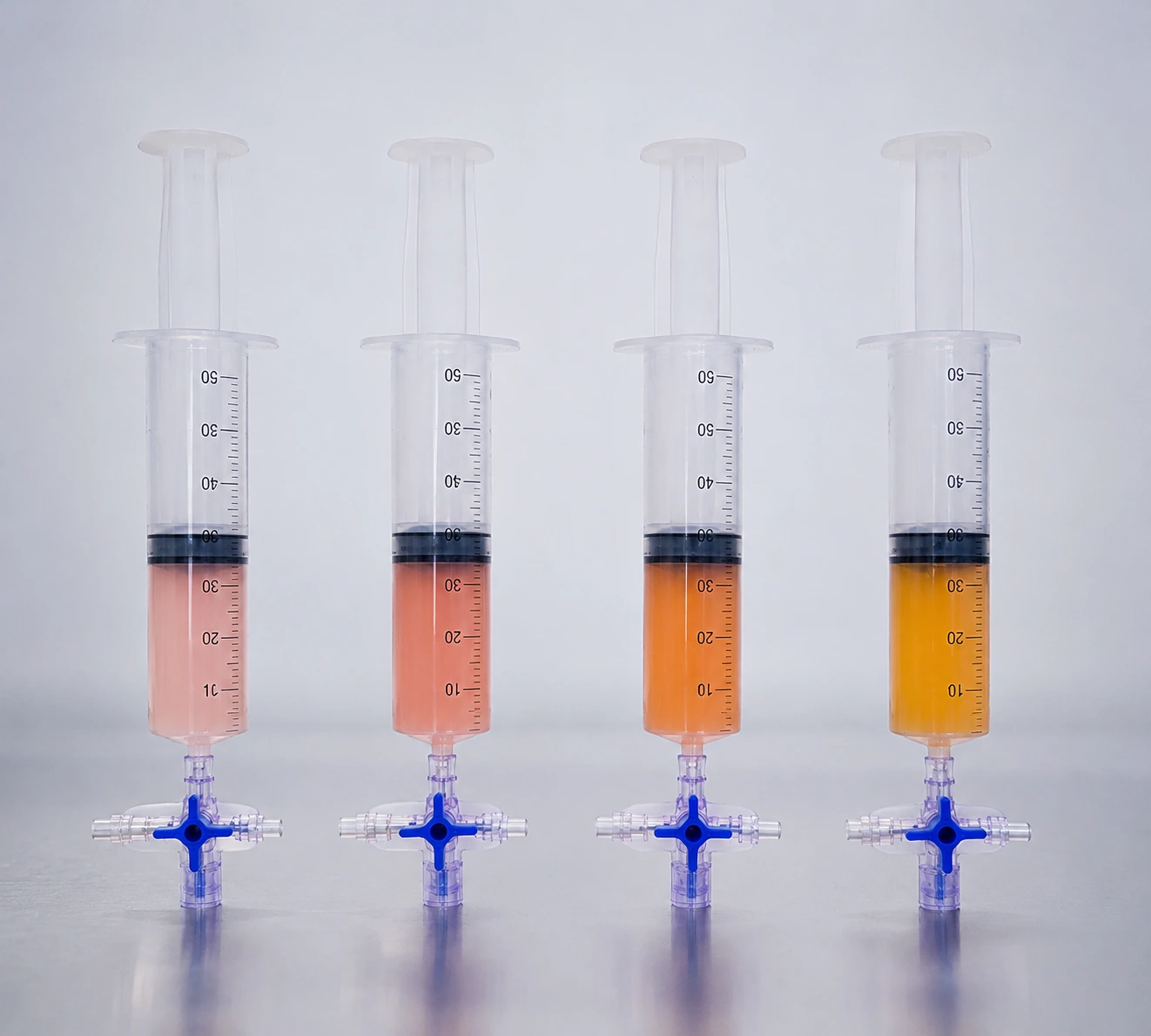
SVF is a heterogeneous collection of cells derived from adipose (fat) tissue. Unlike a pure, cultured stem cell population which may take weeks to grow, SVF is obtained through immediate mechanical or enzymatic processing of harvested fat. It contains a rich cocktail of cells that work synergistically to promote healing.
The Cellular Composition of SVF
SVF is far more than just ‘stem cells.’ It is a complex ecosystem including:
- Adipose-Derived Stem Cells (ADSCs): Multipotent cells capable of differentiating into various lineages.
- Endothelial Progenitor Cells: Vital for neovascularization (forming new blood vessels).
- Pericytes: Cells that wrap around capillaries and regulate blood flow and vascular stability.
- T-cells and Macrophages: Immune cells that modulate inflammation.
- Extracellular Matrix (ECM) Fragments: Scaffolding that supports cell growth and attachment.
The primary benefit of Adipose Fat Stem Cell Therapy lies in this ‘cellular orchestra,’ where each component plays a role in tissue repair through paracrine signaling—the secretion of growth factors that stimulate neighboring cells.
Comparative Analysis: SVF vs. Blood-Derived Regenerative Treatments (PRP)
Patients often ask about the difference between Platelet-Rich Plasma (PRP) and SVF. While both fall under the umbrella of regenerative medicine, their potency and mechanisms differ significantly.
| Feature | PRP (Blood-Derived) | SVF (Fat-Derived) |
|---|---|---|
| Primary Source | Peripheral Blood | Adipose (Fat) Tissue |
| Stem Cell Concentration | Minimal/Trace | Extremely High (ADSCs) |
| Mechanism of Action | Release of growth factors from platelets | Cellular differentiation & long-term paracrine signaling |
| Longevity of Effect | Short-term (weeks to months) | Long-term (multi-year potential) |
| Clinical Complexity | Simple blood draw | Minor liposuction required |
In a direct Stem Cell vs PRP Comparison, SVF is objectively more robust. While PRP acts as a temporary booster by releasing stored growth factors, SVF introduces live cellular factories that continue to produce healing factors for an extended duration. This makes SVF the preferred choice for significant anti-aging interventions and tissue restoration.
Why Adipose Tissue (Fat) is the Gold Standard for Stem Cell Extraction
Historically, bone marrow was the primary source for mesenchymal stem cells (MSCs). However, adipose tissue has revolutionized the field for several reasons:
- Abundance: Fat is easily accessible in most patients. 1 gram of adipose tissue contains approximately 500 to 1,000 times more mesenchymal stem cells than 1 gram of bone marrow.
- Ease of Collection: Collecting bone marrow is invasive and painful. Adipose tissue is harvested via a minimally invasive micro-liposuction procedure.
- Proliferative Capacity: ADSCs have a higher proliferative rate and maintain their potency longer than many other adult stem cell types.
- Multi-lineage Potential: ADSCs can differentiate into bone, cartilage, muscle, and skin cells, making them incredibly versatile.
The Critical Importance of Autologous Stem Cells
When discussing Autologous Stem Cell Therapy Korea, the term “autologous” is the most important factor. It means the donor and the recipient are the same person. This eliminates the risk of Graft-versus-Host Disease (GvHD), allergic reactions, or the transmission of infectious diseases from a third party. By using your own cells, your body recognizes the SVF as “self,” allowing for immediate integration and therapeutic action without the need for immunosuppressants.
Clinical Applications and Therapeutic Effects of Fat-Derived Stem Cells
At View Skin Clinic, we apply SVF technology across several specialized domains to achieve transformative results.
1. Enhanced Fat Grafting (Stem Cell Enriched Fat Graft)
One of the biggest challenges in traditional fat grafting is the survival rate of the injected fat (often only 30-50%). By enriching the fat with SVF, we significantly increase the survival rate (up to 80-90%). The stem cells promote neovascularization, ensuring the grafted fat receives a blood supply quickly, which prevents necrosis and resorption.
2. Advanced Skin Rejuvenation and Anti-Aging
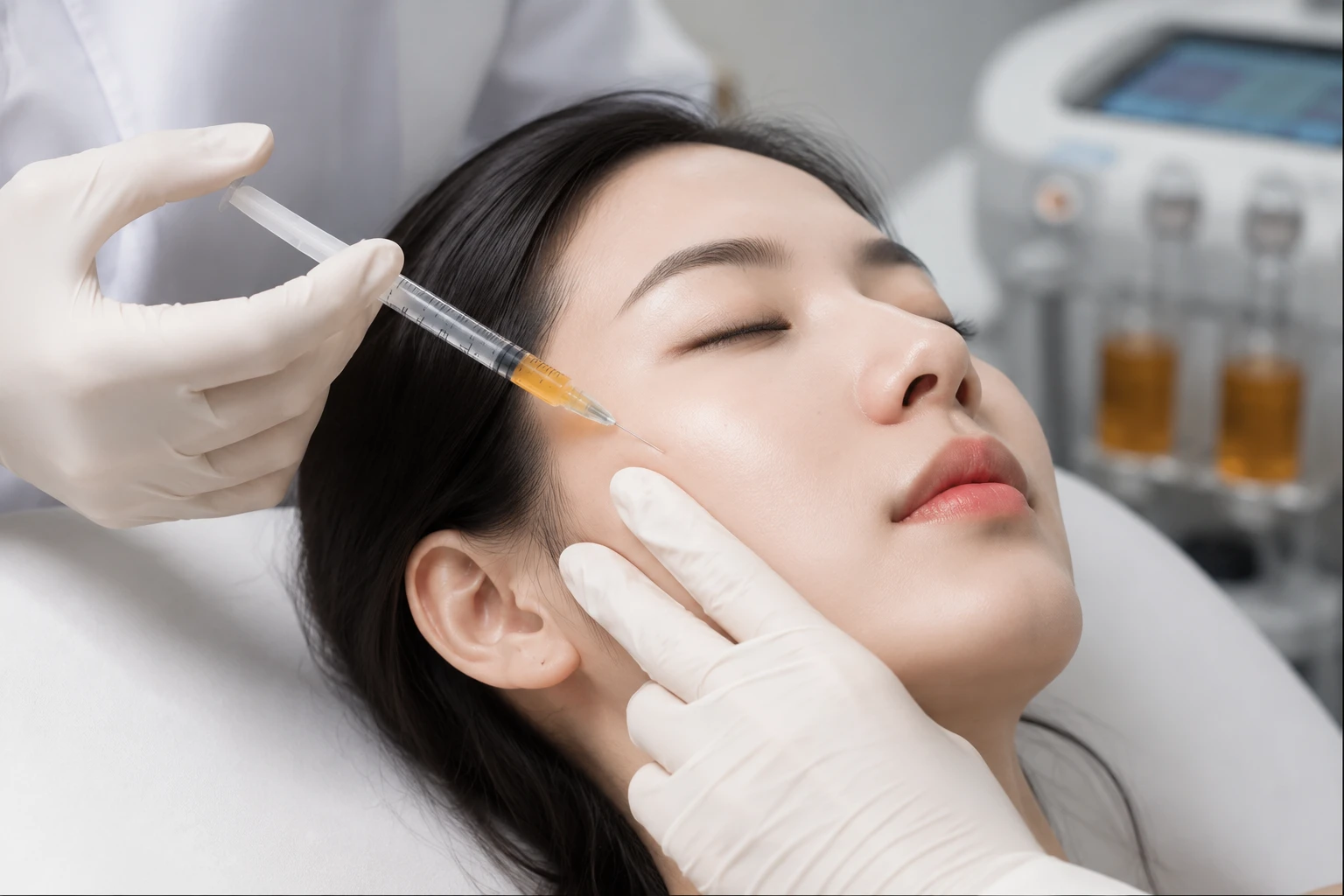
SVF injections into the dermal layer stimulate fibroblasts to produce collagen and elastin. This leads to:
- Reduction in fine lines and deep wrinkles.
- Improved skin texture and pore size.
- Correction of hyperpigmentation.
- Increased dermal thickness and elasticity.
3. Scar Revision and Wound Healing
The anti-inflammatory and regenerative properties of SVF make it ideal for treating hypertrophic scars, acne scars, and chronic wounds that have failed to heal through conventional methods. The cells remodel the scar tissue, replacing it with healthier, more organized collagen fibers.
The Extraction and Processing Protocol: From Lipo-aspiration to Re-injection
The process at View Plastic Surgery is rigorous, ensuring the highest viability of cells. Our Regenerative Medicine in Seoul protocols follow strict safety standards.
- Consultation & Assessment: A detailed analysis of the patient’s goals and health status. You can book a personalized consultation here.
- Harvesting: Under local anesthesia or IV sedation, a small amount of fat (typically 50-100cc) is harvested using a specialized cannula to minimize cellular trauma.
- Processing (SVF Isolation): The fat is processed using a high-speed centrifuge and a specialized isolation kit. This separates the oil and debris from the nutrient-rich SVF.
- Purification & Concentration: The resulting SVF is concentrated to ensure a high cell count per milliliter.
- Injection: The purified SVF is injected into the target area (face, scalp, or combined with fat for grafting) using precision techniques.
Post-Procedure Recovery and Longevity of Results
Recovery from SVF therapy is remarkably fast. Because the procedure is minimally invasive, most patients return to normal activities within 2-3 days. There may be minor swelling or bruising at the harvest site (often the abdomen or thigh) and the injection site, but this typically resolves within a week.
Results Timeline:
- Week 1-2: Initial hydration and “glow” from the growth factors.
- Month 1-3: Structural changes begin as collagen production increases.
- Month 6+: Peak results are visible as the regenerated tissue stabilizes.
Why View Plastic Surgery for SVF Treatment in Korea?
Choosing the right clinic is paramount when dealing with live biological material. View Plastic Surgery stands out due to our state-of-the-art laboratory facilities and our commitment to safety. We do not just perform a procedure; we engineer a biological transformation. For inquiries, you can reach out via WhatsApp for an immediate response.
FAQ
What is the main advantage of Fat-Derived Stem Cells over other types?
Fat-derived stem cells (ADSCs) are found in much higher concentrations than in bone marrow, are easier to harvest with minimal pain, and have exceptional regenerative potential for skin and soft tissue.
Is SVF therapy safe?
Yes, because the treatment is autologous (using your own cells), there is no risk of rejection or allergic reaction. The procedure is performed in a sterile, controlled environment to prevent infection.
How long do the results of SVF injections last?
Unlike fillers that dissolve, SVF results can last for several years as they involve actual tissue regeneration. However, the natural aging process continues, so maintenance treatments may be recommended.
How many sessions are required?
Most patients see significant improvement after a single session. Depending on the severity of the condition (e.g., deep scarring or advanced aging), a follow-up session 6-12 months later may be beneficial.
Can SVF help with hair loss?
Yes, SVF injections into the scalp can stimulate dormant hair follicles, improve blood flow to the scalp, and increase hair density and thickness.
What is the difference between SVF and 'Stem Cell' creams?
Stem cell creams contain extracts or plant-based cells that cannot penetrate the dermis or behave like human stem cells. SVF involves live, active human cells injected directly where they are needed.
Does the liposuction part of the procedure result in weight loss?
No. The amount of fat harvested for SVF is very small (50-100cc) and is not intended for body contouring or weight loss.
Is there any downtime after the procedure?
Minimal. Most patients experience minor swelling for 3-5 days. You can usually return to work and light activities within 48 hours.
Who is an ideal candidate for SVF therapy?
Ideal candidates are those looking for natural anti-aging results, patients undergoing fat grafting who want better survival rates, or individuals with scars and skin texture issues.
Is SVF treatment legal in South Korea?
Yes, South Korea is a leader in regenerative medicine regulations. SVF procedures performed using the patient’s own cells without extensive culture (minimal manipulation) are fully compliant with MFDS regulations.