
Healthy-looking skin is not only about hydration. Its texture, firmness, and elasticity are also influenced by the structural environment beneath the skin’s surface. This is where CellREDM introduces a different approach to skin booster treatments. Unlike conventional hydration-focused formulations, CellREDM uses human-derived acellular dermal matrix (hADM), containing components such as collagen, elastin, and glycosaminoglycans (GAGs). But what exactly is ECM, and how is CellREDM different from other skin boosters? Here is what you should know before considering this treatment.
What Is CellREDM Skin Booster?
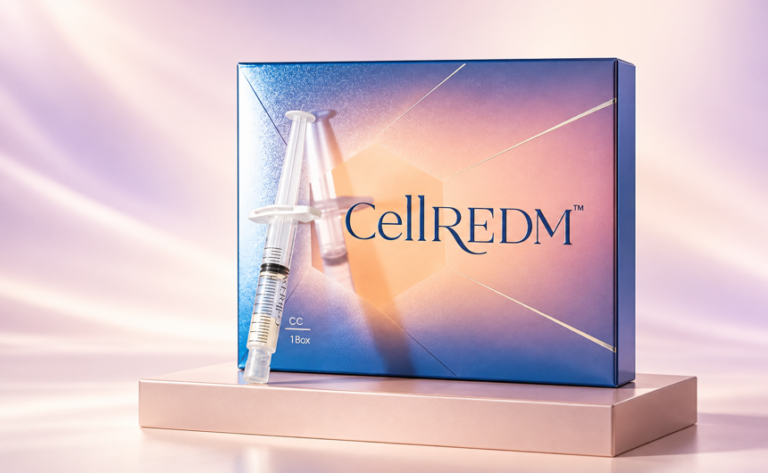
CellREDM is an ECM-focused skin booster made from human-derived acellular dermal matrix. The product uses processed dermal tissue from which cellular components have been removed. The remaining dermal matrix is freeze-dried and finely milled into particles of 75 μm or smaller, according to the manufacturer’s specifications. Rather than using live cells, CellREDM focuses on dermal matrix components, including:
- Collagen: A structural protein that helps provide strength and support to the skin.
- Elastin: An important component of elastic fibers that helps tissue stretch and return toward its original shape.
- Glycosaminoglycans (GAGs): Water-binding molecules that contribute to the moisture environment within the extracellular matrix.
What Is Extracellular Matrix (ECM) and Why Does It Matter?
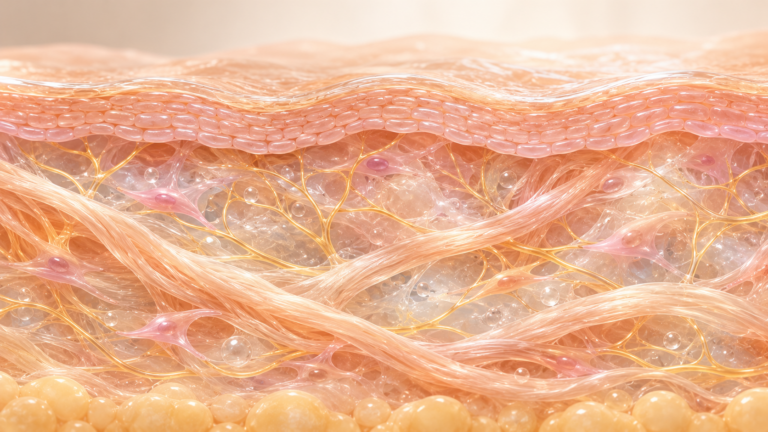
To understand CellREDM, it helps to understand the extracellular matrix. The extracellular matrix is the network of materials surrounding cells. In the skin, it provides structural support and contributes to the environment in which skin cells function.
Three important components include:
1. Collagen – Structural Support
Collagen helps provide strength and structure to the dermis. As skin ages, changes in collagen production and organization can contribute to reduced firmness and visible wrinkles.
2. Elastin – Skin Resilience
Elastin fibers allow skin tissue to stretch and move before returning toward its original shape. Changes in elastic fibers can affect the skin’s appearance and resilience.
3. GAGs – Moisture Environment
Glycosaminoglycans help bind water within the extracellular matrix. They contribute to the skin’s moisture environment and overall tissue structure. Together, these components help explain why ECM is an important topic in discussions about skin quality and aging.
What Makes CellREDM Different from Conventional Skin Boosters?
Not all skin boosters use the same materials or treatment concepts. Some focus primarily on hydration, while others are designed to stimulate a tissue response or provide dermal matrix components.
CellREDM belongs to the ECM-focused category.
| Skin Booster Type | Main Material | Treatment Concept |
|---|---|---|
| HA Skin Boosters | Hyaluronic Acid (HA) | Focus on water binding and skin hydration. |
| Collagen Stimulators | Materials such as PLLA or PDLLA | Designed to stimulate a tissue response. |
| CellREDM | Human-derived acellular dermal matrix (hADM) | Provides dermal matrix components, including collagen, elastin, and GAGs. |
Note: These treatments use different materials and approaches. Their suitability depends on individual skin conditions, medical history, and treatment goals.
The main difference is the material and treatment concept, rather than a guarantee that one option produces better results than another. The most suitable skin booster depends on your skin condition, concerns, medical history, and treatment goals.
What Skin Concerns Can You Discuss with CellREDM?
CellREDM is designed around the concept of supporting the skin’s structural environment. During consultation, several skin quality concerns may be discussed.
1. Changes in Skin Firmness
Skin can gradually lose its firm appearance due to aging and changes in its supporting structures. Collagen is an important component of the dermal framework, making firmness a relevant concern to discuss.
2. Fine Lines and Uneven Texture
Fine surface lines and changes in skin texture may become more noticeable as skin ages. A doctor can assess whether an ECM-focused treatment is appropriate or whether another procedure would better address the underlying cause.
3. Dry-Feeling Skin
Skin that feels dry or lacks a healthy appearance may benefit from a treatment plan that considers hydration and the skin’s overall condition. GAGs are water-binding components within the extracellular matrix.
4. Overall Skin Quality
Some patients are interested in addressing several concerns together, such as texture, firmness, and hydration. A personalized assessment helps determine which treatment approach is suitable. It is important to understand that these are treatment discussion points, not guaranteed outcomes. Individual responses vary.
Which Areas Can Be Discussed for CellREDM Treatment?
Treatment areas depend on skin thickness, anatomy, previous procedures, and individual suitability.
Areas that may be evaluated during consultation include:
- Forehead: Fine lines and changes in skin texture.
- Eye Area: Delicate skin that requires careful assessment.
- Cheeks: Skin texture, dryness, and changes in firmness.
- Mouth and Nasolabial Area: Fine surface lines and changes in skin quality.
- Jawline: Skin quality along the lower face.
- Neck: Skin texture and changes in firmness.
What to Expect During CellREDM Treatment
CellREDM treatment begins with an individual skin assessment to review your concerns, medical history, and previous aesthetic procedures.
The treatment process generally involves:
- Skin Assessment: The doctor evaluates your skin condition and identifies areas of concern.
- Product Preparation: The CellREDM material is prepared by the clinician according to the product’s treatment protocol.
- Treatment Planning: The treatment area, amount, and delivery technique are determined based on individual needs.
- Aftercare Guidance: Your clinician explains recovery expectations and appropriate post-treatment care.
CellREDM Side Effects and Recovery
Like other injectable procedures, CellREDM may cause temporary reactions around the treated area.
Possible side effects include:
- Redness around injection sites
- Swelling
- Bruising
- Tenderness or discomfort
- Temporary bumps or unevenness
Is CellREDM Suitable for Everyone?
CellREDM may be worth discussing if you are interested in an ECM-focused approach to skin quality. However, suitability cannot be determined by age or skin concerns alone. Before choosing treatment, your doctor should consider:
- Your current skin condition and sensitivity
- Medical history and relevant allergies
- Previous skin booster or injectable treatments
- Areas you want to address
- Your expectations and treatment goals
At View Skin Clinic, our team can help assess your skin and recommend suitable treatment options based on your individual concerns. Schedule a consultation to explore which skin treatment may be right for you. Contact View Skin Clinic to schedule a consultation.
FAQ
CellREDM is made from human-derived acellular dermal matrix (hADM). The material is processed to remove cellular components, freeze-dried, and finely milled. It contains dermal matrix components, including collagen, elastin, and GAGs.
No. CellREDM is an acellular dermal matrix-based treatment, not a live stem cell treatment. Its concept focuses on dermal matrix material rather than living cells.
They use different materials and treatment concepts. CellREDM uses human-derived acellular dermal matrix, while Rejuran is based on polynucleotides (PN). They should not be considered interchangeable, and the appropriate option depends on individual skin concerns.
CellREDM uses human-derived dermal matrix components. Juvelook uses PDLLA and hyaluronic acid. Their materials and treatment concepts are different, so a doctor should help determine which approach is suitable.
The amount, number of sessions, and spacing depend on your skin condition, treatment areas, and individual response. Your doctor will recommend a treatment plan after assessment rather than applying a standard schedule to everyone.
Temporary redness, swelling, bruising, tenderness, or small bumps may occur after treatment. Recovery varies between individuals, so discuss your schedule and any upcoming travel plans with your clinician.ini