
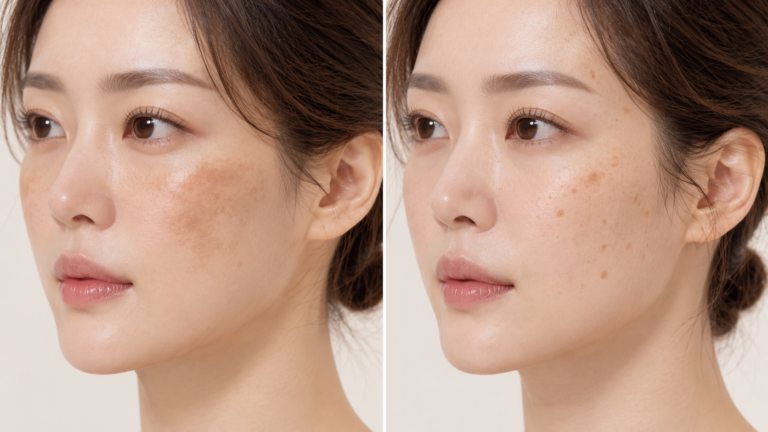
Dark patches on your cheeks, forehead, or upper lip can be frustrating, especially when they remain visible despite using brightening skincare products. However, not all pigmentation is the same. Melasma and sun spots may look similar at first, but they have different characteristics and may require different approaches to care.Understanding the type of pigmentation you have is an important first step toward choosing the right treatment. While daily sun protection helps prevent further discoloration, existing pigmentation may need a more personalized approach.In this guide, we explain how to recognize common pigmentation concerns, build an effective sunscreen routine, and understand when professional skin assessment may be helpful.
Key Takeaways:
- Melasma typically appears as irregular, diffuse brown or gray-brown patches, often on both sides of the face.
- Sun spots usually appear as smaller, more clearly defined brown spots on areas frequently exposed to sunlight.
- Both conditions can become more noticeable with sun exposure, making consistent sun protection essential.
- Tinted sunscreen containing iron oxides may provide additional protection against visible light.
- Sunscreen supports pigmentation management but may not clear existing discoloration on its own.
- Professional assessment can help identify the type of pigmentation and determine which care options may be appropriate.
Why Understanding Your Pigmentation Matters
Facial pigmentation can develop for several reasons, including sun exposure, hormonal influences, inflammation, and natural skin aging.
Two common concerns are melasma and sun spots. Although both involve increased pigmentation, their appearance and contributing factors can differ. Choosing skincare or aesthetic treatments without understanding the underlying cause may lead to disappointing results. Some pigmentation concerns may respond to certain treatments, while others require a more cautious and individualized approach. That is why identifying the type of pigmentation is more important than simply choosing the most popular brightening product or treatment.
Melasma vs. Sun Spots: What Is the Difference?
What Is Melasma?
Melasma is a common pigmentation condition characterized by irregular brown, gray-brown, or darker patches on the face. It most frequently appears on the cheeks, forehead, upper lip, and bridge of the nose. In many cases, pigmentation develops symmetrically across both sides of the face. Several factors may contribute to melasma, including:
- Sun exposure and ultraviolet radiation
- Hormonal changes
- Genetic predisposition
- Visible light exposure
- Individual skin sensitivity and other environmental factors
What Are Sun Spots?
Sun spots, also known as solar lentigines, are flat brown or dark spots that develop after repeated exposure to ultraviolet radiation. They commonly appear on areas that receive frequent sunlight, such as the cheeks, forehead, temples, hands, and other exposed areas. Unlike the broader patches associated with melasma, sun spots are generally smaller and have more clearly defined borders.
Common characteristics include:
- Individual light-to-dark brown spots
- Relatively distinct edges
- Appearance on frequently sun-exposed areas
- Gradual development over time
| Comparison | Melasma | Sun Spots |
|---|---|---|
| Appearance | Diffuse, irregular patches | Smaller, clearly defined spots |
| Color | Brown or gray-brown | Light to dark brown |
| Common Areas | Cheeks, forehead, upper lip | Cheeks, temples, hands |
| Pattern | Often symmetrical | May appear individually or in clusters |
| Main Contributing Factors | Hormones, genetics, sun and visible light | Cumulative UV exposure |
| Care Approach | Often requires ongoing management | Depends on diagnosis and pigmentation type |
Although these differences can help you understand common pigmentation patterns, a visual comparison cannot confirm a diagnosis. A professional skin assessment is recommended when the cause is uncertain.
Why Sun Protection Is Essential for Melasma
Sun exposure is one of the most important factors to consider when managing melasma. Ultraviolet radiation can stimulate pigmentation and make existing patches more noticeable. Visible light may also contribute to melasma, particularly in people with darker skin tones. This means that using a brightening serum or undergoing an aesthetic procedure without maintaining sun protection may limit your overall progress. A consistent sunscreen routine helps reduce further exposure and supports the results of an appropriate pigmentation care plan.
Ultraviolet Light, Visible Light, and Pigmentation
Broad-spectrum sunscreen protects against both UVA and UVB radiation.
- UVA: Contributes to skin aging and can worsen pigmentation.
- UVB: Plays a major role in sunburn and can contribute to skin damage.
- Visible light: May also stimulate pigmentation, particularly in melasma-prone skin.
However, not every tinted product contains iron oxides or offers the same level of protection. Always check the ingredient list and sunscreen labeling.
How to Choose the Right Sunscreen for Melasma
Choosing sunscreen is not only about selecting a high SPF. The formula should provide appropriate protection and feel comfortable enough for everyday use. Consider the following factors when choosing a sunscreen for pigmentation-prone skin.
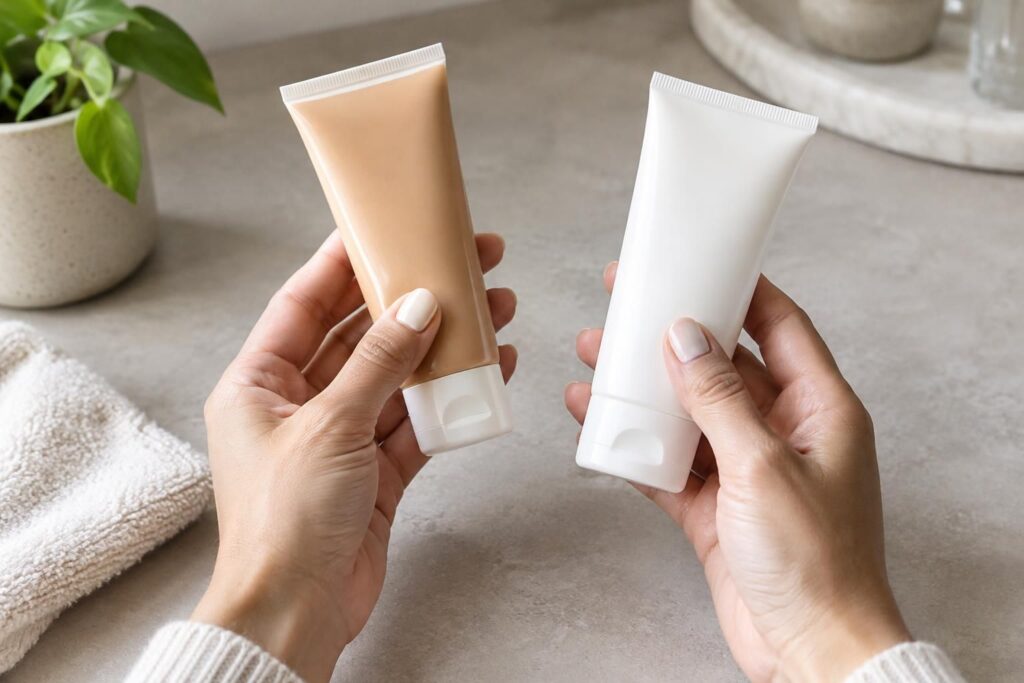
1. Choose Broad-Spectrum SPF 30 or Higher
Look for a broad-spectrum sunscreen with at least SPF 30. SPF 50 may be a practical option if you prefer a higher labeled level of protection. Remember that no sunscreen blocks every ray. Applying enough product and reapplying when needed are just as important as the SPF number.
2. Consider Tinted Sunscreen with Iron Oxides
A tinted sunscreen containing iron oxides may offer additional protection against visible light, which is relevant when managing melasma. Check the ingredient list rather than relying only on product descriptions such as tinted, tone-up, or skin-colored. Choose a shade that blends comfortably with your skin so that you can apply the product generously and consistently.
3. Choose a Texture That Suits Your Skin
The best sunscreen is one you can comfortably use every day.
- Dry skin may prefer a moisturizing cream or lotion.
- Oily skin may feel more comfortable with a lightweight fluid or gel.
- Sensitive skin may benefit from a simpler formula with fewer potential irritants.
4. Check Water Resistance and Expiration
If you exercise, sweat frequently, or spend time swimming, consider a water-resistant sunscreen and follow its reapplication instructions. Always check the expiration date and storage recommendations. Replace products that have expired or noticeably changed in texture, smell, or appearance.
How Can Laser Toning Help With Pigmentation?
Laser Toning is a non-invasive laser treatment that uses controlled, low-energy laser pulses to target excess melanin in the skin. Melanin is the pigment responsible for skin color. When it accumulates in certain areas, it can create visible dark spots and uneven skin tone. By delivering controlled energy to pigmented areas, Laser Toning aims to gradually reduce the appearance of excess pigmentation while limiting unnecessary damage to surrounding tissue.
Potential Benefits of Laser Toning
Depending on the type of pigmentation and the selected device, Laser Toning may help:
- Improve the appearance of melasma and certain dark spots
- Reduce the visibility of freckles and sun-related pigmentation
- Create a more even-looking skin tone
- Improve overall skin clarity and brightness
- Address pigmentation concerns with generally minimal downtime
Laser Toning Options at View Skin Clinic
Different pigmentation concerns may require different laser approaches. At View Skin Clinic, several toning options are available to address individual skin needs.
1. Cellec V: Brightening and Overall Skin Tone Improvement
Cellec V is a laser option used for multiple skin concerns, including pigmentation, redness, acne, pores, and uneven skin texture. It may be considered for patients who want to improve overall skin clarity and achieve a more even-looking complexion.
Key treatment focus:
- Overall skin tone improvement
- Appearance of pigmentation
- Redness and selected skin-texture concerns
2. Ruby Touch: Targeted Pigmentation Treatment
Ruby Touch is designed to selectively target melanin. It may be considered for specific pigmentation concerns, such as freckles, dark spots, and lentigines. Its selective absorption of melanin makes it an option for treating certain localized pigmented lesions.
Key treatment focus:
- Freckles
- Selected dark spots
- Solar lentigines and other suitable pigmented lesions
Which Laser Toning Option Is Right for You?
There is no single laser that is suitable for every pigmentation concern.
| Laser Treatment | Main Focus | Potentially Suitable Concerns |
|---|---|---|
| Cellec V | Overall skin tone and clarity improvement | Uneven skin tone, selected pigmentation concerns, redness, and skin texture concerns |
| Ruby Touch | Targeted melanin reduction | Freckles, selected dark spots, and solar lentigines |
The most appropriate laser treatment depends on the type, depth, and distribution of pigmentation. A professional skin assessment is recommended before treatment.
Why Sun Protection Matters After Laser Toning
Laser treatment is only one part of pigmentation management. Continued sun exposure can make existing pigmentation more noticeable and contribute to new dark spots.
To support your results:
- Use broad-spectrum SPF 30 or higher every morning.
- Reapply sunscreen when spending extended time outdoors.
- Consider a tinted sunscreen containing iron oxides, particularly for melasma-prone skin.
- Wear a hat and seek shade when possible.
- Follow a gentle skincare routine recommended by your clinician.

Why Choose View Skin Clinic for Laser Toning in Korea?
Choosing the right pigmentation treatment requires more than selecting a laser device. Understanding the type of pigmentation and your skin’s condition is an important part of treatment planning. At View Skin Clinic, Laser Toning options are selected according to individual skin concerns.
Patients can discuss:
- The type and appearance of their pigmentation
- Whether Cellec V or Ruby Touch may be appropriate
- The expected number of sessions
- Possible downtime and aftercare
- Long-term pigmentation management
Frequently Asked Questions
Can Laser Toning Help With Melasma?
Laser Toning may help improve the appearance of melasma in selected patients. However, melasma can be difficult to treat and may recur. A careful treatment plan and ongoing sun protection are important.
Is Laser Toning Effective for Sun Spots?
Laser Toning may help improve the appearance of melasma in selected patients. However, melasma can be difficult to treat and may recur. A careful treatment plan and ongoing sun protection are important.
What Is the Difference Between Cellec V and Ruby Touch?
Cellec V is used for broader skin concerns, including pigmentation, redness, and overall skin clarity. Ruby Touch focuses more selectively on melanin and may be considered for freckles and certain dark spots.
How Many Laser Toning Sessions Do I Need?
The number of sessions depends on your pigmentation and skin response. Some patients may be advised to undergo around 5–10 sessions, but your clinician should determine the appropriate schedule.
Is Laser Toning Painful?
Most patients describe the sensation as mild warmth or tingling. Comfort levels vary depending on the device, settings, and individual sensitivity.
Is There Any Downtime After Laser Toning?
Laser Toning generally involves minimal downtime. Temporary redness or sensitivity may occur, and aftercare instructions should be followed carefully.
How Do I Know Which Laser Toning Treatment Is Right for Me?
A professional skin assessment can help identify the type of pigmentation and determine whether Cellec V, Ruby Touch, or another treatment is more appropriate.