
The New Frontier of Regenerative Aesthetics
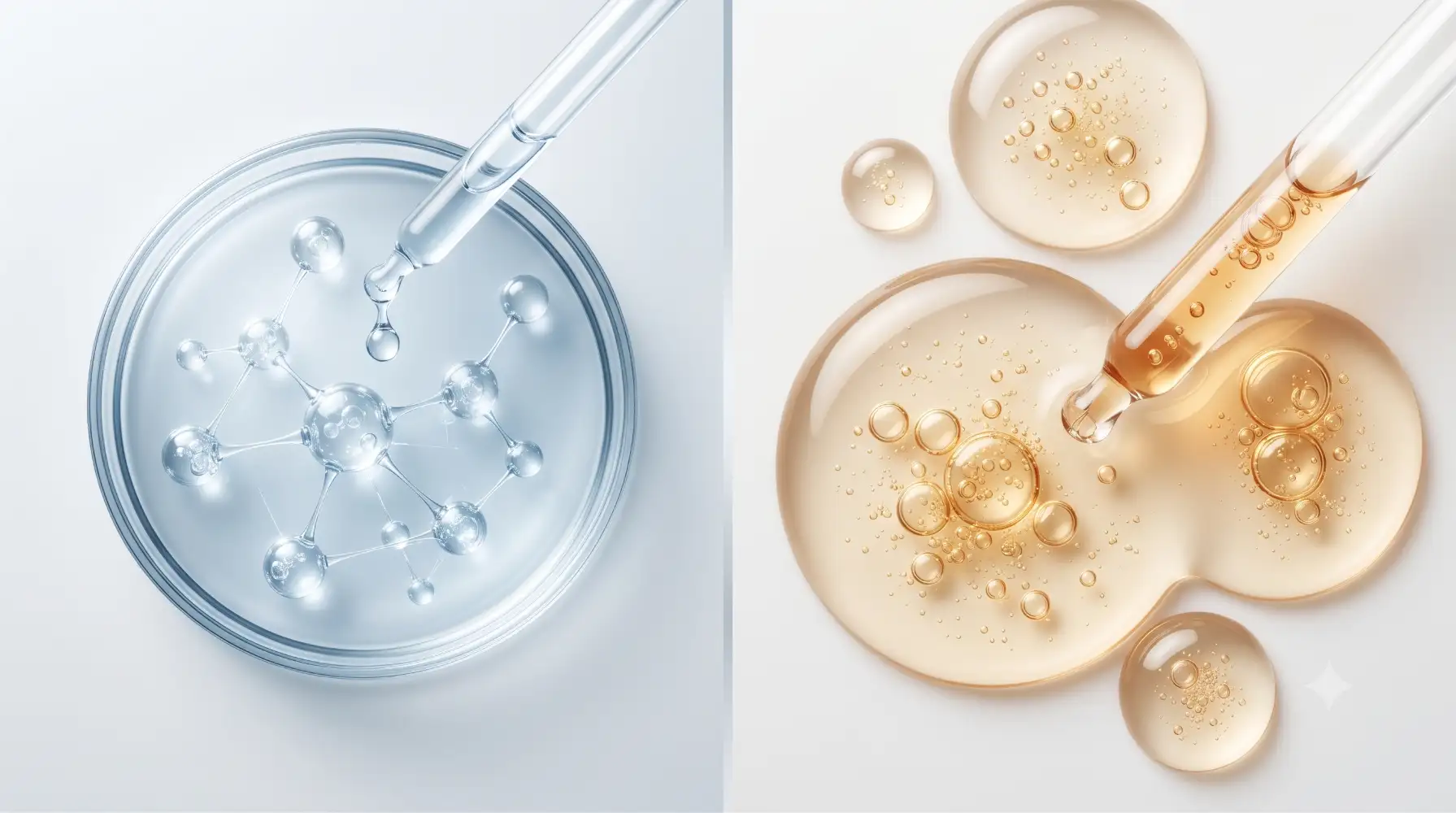
At View Skin Clinic, we specialize in high-precision regenerative treatments. Understanding Stem Cells vs Exosomes for Skin requires a deep dive into cellular biology. Stem cells are undifferentiated cells capable of self-renewal, whereas exosomes are nano-sized extracellular vesicles (30-200nm) secreted by those cells. These vesicles contain a potent cocktail of growth factors, microRNA, and proteins that trigger a healing response in recipient cells without the complexities of handling live cellular material.
Understanding the Biological Foundations
The Role of Stem Cells in Tissue Architecture
Stem cells, particularly those used in adipose fat stem cell therapy, work through differentiation. When injected into the dermis or subcutaneous layers, they can transform into fibroblasts or vascular cells, physically rebuilding the skin’s structural matrix. This process is essential for treating deep volume loss and severe age-related atrophy.
The Rise of Cell-Free Therapy: Exosomes
Exosomes represent a paradigm shift. Rather than relying on the survival of transplanted cells, exosome skin booster therapy utilizes the signaling molecules themselves. This cell-free approach bypasses the risk of immune rejection and ensures a more consistent concentration of active ingredients. When considering Exosome Skin Booster Benefits, the primary advantage is the direct delivery of regenerative instructions to exhausted skin cells, effectively ‘reprogramming’ them to act younger.
Comparative Analysis: Stem Cells vs Exosomes for Skin
| Feature | Autologous Stem Cells (SVF) | Exosome Boosters (e.g., ASCE+) |
|---|---|---|
| Biological State | Live, metabolically active cells | Cell-free signaling vesicles |
| Primary Goal | Structural reconstruction and volume | Surface refinement and anti-inflammation |
| Downtime | 1–3 days (due to extraction) | Zero to minimal |
| Target Concerns | Severe aging, deep scars, tissue loss | Pores, redness, fine lines, barrier repair |
Why ASCE Plus Exosome Therapy is Dominating the Market
Within the realm of 4th Generation Skin Booster Korea, the ASCE Plus Exosome Therapy has set a clinical benchmark. Unlike generic culture media, ASCE+ utilizes patented ExoSCRT™ technology to isolate pure exosomes from mesenchymal stem cells. This high purity ensures that the Exosome Skin Booster Benefits—such as a 600% increase in collagen production and a 300% increase in elastin—are actually realized by the patient.
Clinical data shows that ASCE Plus Exosome Therapy is exceptionally effective for inflammatory conditions. Patients suffering from chronic rosacea or acne-prone skin see significant reduction in cytokine activity, leading to a calmer, clearer complexion. If you are debating Is Exosome Better Than Stem Cell for Skin?, consider the inflammatory state of your skin. Exosomes are far superior at suppressing inflammation and promoting immediate barrier repair.
The Strategic Evolution of Skin Boosters
The journey to the current skin booster treatments available today has been one of increasing biological precision:
- 1st Generation: Hyaluronic Acid (hydration only).
- 2nd Generation: PDRN/PN (Salmon DNA for wound healing).
- 3rd Generation: PLLA/PDLLA (Collagen stimulators).
- 4th Generation: Exosomes (Total cellular communication).
The 4th Generation Skin Booster Korea signifies a move toward ‘precision aesthetics.’ By focusing on Stem Cells vs Exosomes for Skin, practitioners can now target the microscopic environment of the skin. This allows for a customized approach where we use comprehensive stem cell services for foundational aging and exosomes for surface-level perfection.
Clinical Implementation and Delivery Protocols
To maximize Exosome Skin Booster Benefits, the delivery method is as critical as the product itself. Since exosomes are ‘cell-free,’ they do not require deep surgical injection but rather strategic topical infusion through micro-channels. At View Skin Clinic, we combine ASCE Plus Exosome Therapy with technologies like Potenza (RF Microneedling) or fractional lasers. This creates a synergistic effect where the heat from the device triggers a healing response, and the exosomes provide the precise instructions needed to complete that healing optimally.
For patients undergoing SVF stem cell therapy, the focus shifts to long-term regenerative capacity. The combination of these two modalities—stem cells for deep density and exosomes for topical refinement—represents the pinnacle of modern anti-aging medicine.
FAQ
Is Exosome Better Than Stem Cell for Skin for treating acne scars?
For active inflammation and texture, ASCE Plus Exosome Therapy is often preferred due to its immediate anti-inflammatory effects. However, for deep ice-pick or boxcar scars, autologous stem cells may be needed to rebuild the lost dermal volume.
What are the primary Exosome Skin Booster Benefits compared to PDRN?
While PDRN provides building blocks for DNA repair, exosomes provide the regulatory signals (mRNA/miRNA) that orchestrate the entire repair process, offering a more comprehensive rejuvenation.
Why is Korea considered a leader in 4th Generation Skin Booster technology?
The 4th Generation Skin Booster Korea market benefits from advanced biotech infrastructure and stringent purification standards, resulting in products like ASCE+ that have globally recognized efficacy.
How many sessions of ASCE Plus Exosome Therapy are required?
Typically, 3 to 5 sessions spaced 3-4 weeks apart are recommended for optimal collagen remodeling and long-term barrier strengthening.
Are there any side effects to Stem Cells vs Exosomes for Skin treatments?
Exosomes are cell-free and have a very high safety profile with minimal risk of rejection. Stem cell therapy involves a minor extraction process (like liposuction) which carries standard procedural risks.
Can exosomes be used with other treatments?
Yes, they are highly synergistic with RF microneedling, lasers, and even high-pressure oxygen therapy (HBOT) to accelerate recovery.
Is the source of exosomes important?
Critically important. ASCE+ uses Rose-derived or Mesenchymal Stem Cell-derived exosomes that are purified to ensure no cellular debris remains, maximizing safety.
How long do the results last?
Exosome results can last 6-12 months after a full cycle. Stem cell treatments can last 1-2 years or more due to the self-renewing nature of the cells.
Is the treatment painful?
Exosome delivery via MTS or laser is generally well-tolerated with topical numbing cream.
Where can I book a consultation?
You can book an expert analysis at our consultation page or via WhatsApp.
Conclusion: Your Path to Cellular Rejuvenation
Choosing between Stem Cells vs Exosomes for Skin is not about finding a ‘winner,’ but about identifying the right tool for your skin’s specific needs. Whether you require the structural power of adipose fat stem cell therapy or the rapid, refined healing of ASCE Plus Exosome Therapy, View Skin Clinic provides the expertise to guide your journey. Experience the future of the 4th Generation Skin Booster Korea and reclaim your skin’s youthful vitality.
Ready to transform your skin? Contact View Skin Clinic today for a personalized cellular analysis.