
Juvelook vs Rejuran Healer: A Simple Guide to Choosing Your Perfect Match
The quick answer is simple: it depends on what your skin needs right now. Choose Rejuran Healer if your skin is sensitive, damaged, or thinning and needs deep healing and repair. Choose Juvelook if you want to smooth out fine lines, shrink large pores, and naturally plump up your skin with a collagen boost.
At View Skin Clinic, we love both of these treatments, but they do completely different jobs under your skin. Let’s break down everything you need to know—simply, honestly, and without the confusing medical jargon—so you can make the perfect choice for your skin goals.
Korea’s Top 2 Skin Boosters: Why Everyone in Seoul is Talking About Them
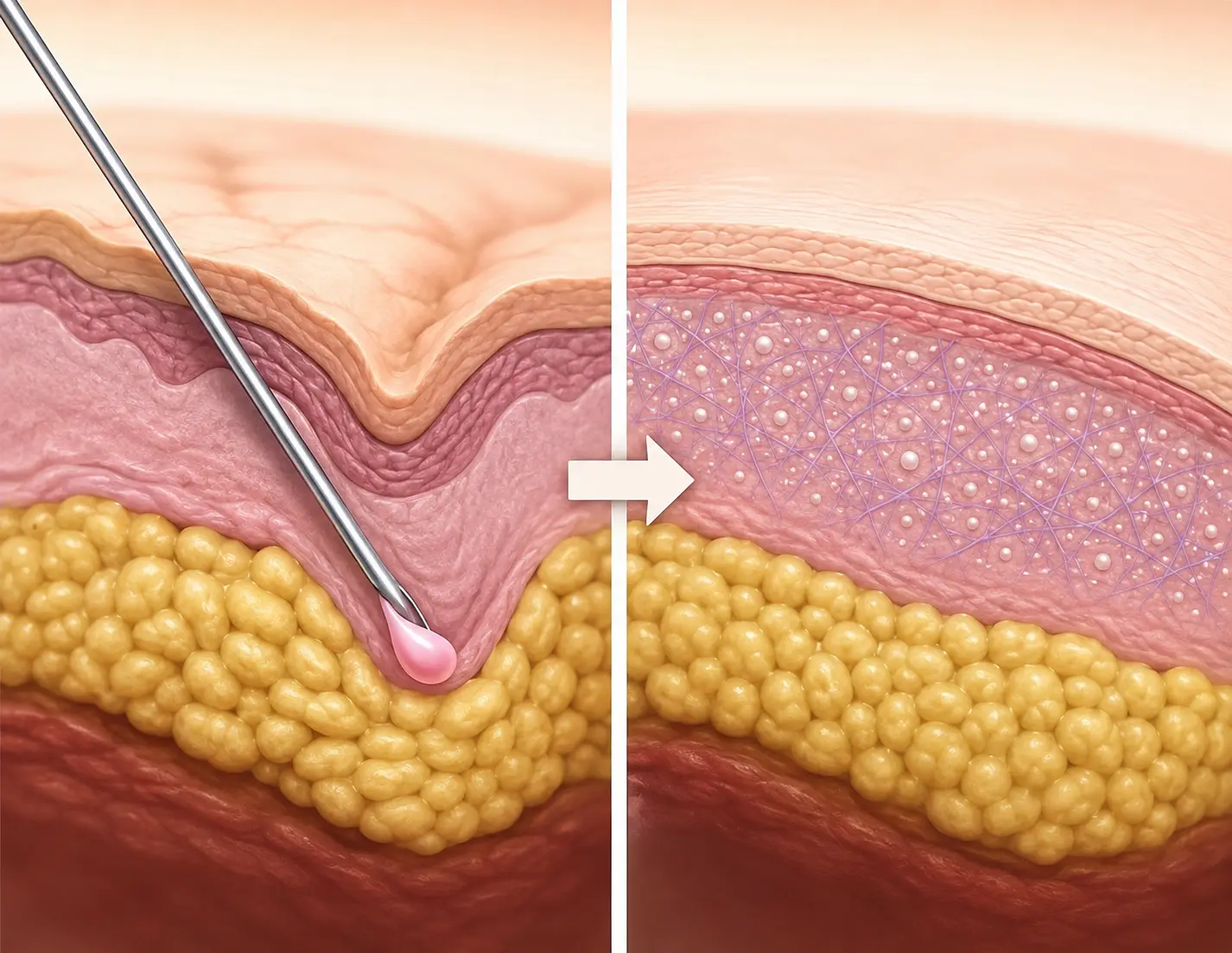
What is Rejuran Healer? (The Famous 'Salmon DNA' Injection)
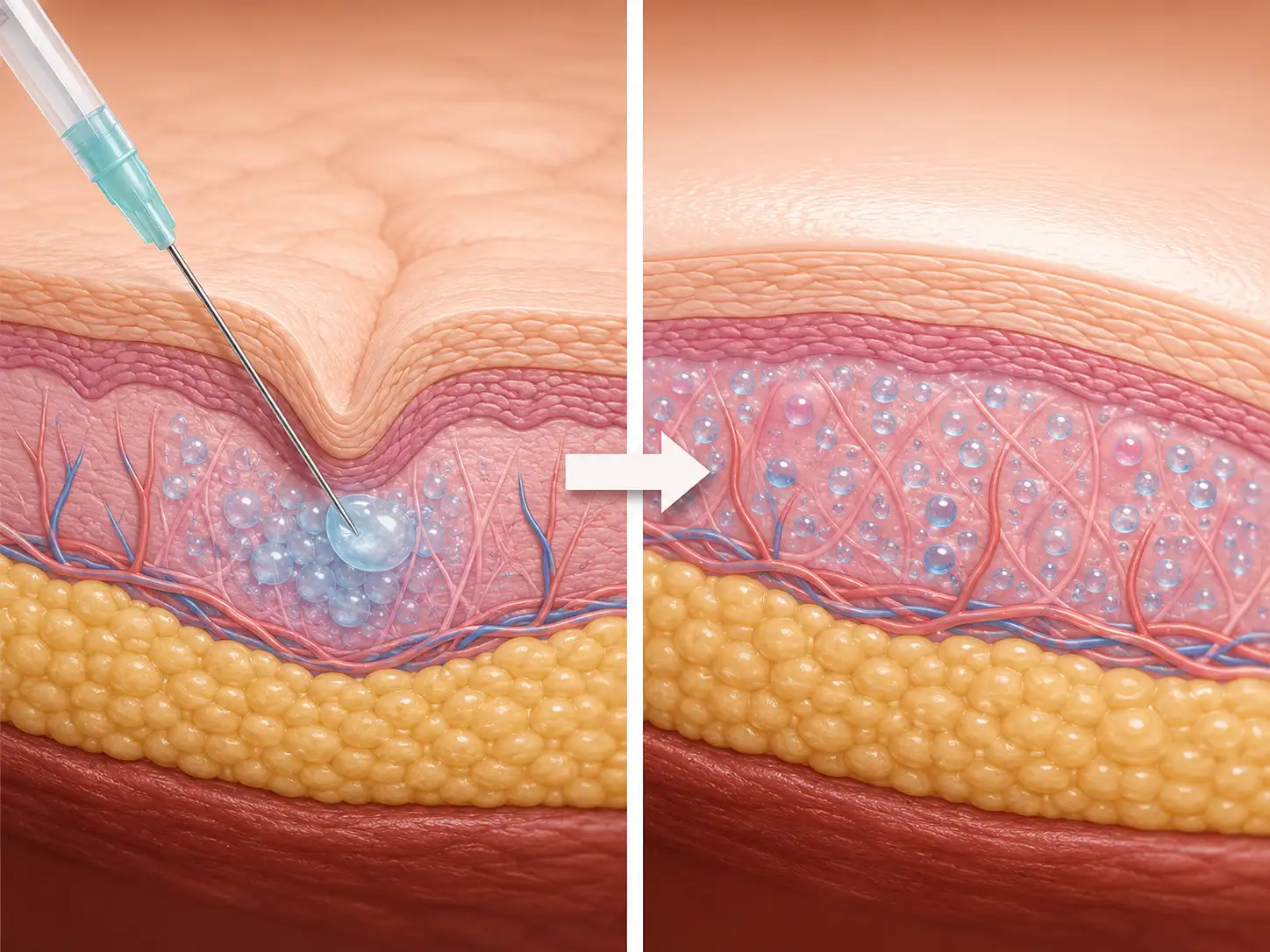
What is Juvelook? (The New Generation Collagen Booster)
How They Work: Inside the Science of Rejuran and Juvelook
The Secret Behind Rejuran: Skin Barrier Repair
- Mechanism: PN acts on A2A receptors in the skin, which triggers a cascade of healing. It promotes cell growth, increases the secretion of anti-inflammatory cytokines, and stimulates the synthesis of various dermal matrix components.
- Primary Benefit: Skin barrier thickening. It is biologically designed to ‘repair’ a damaged dermis, making it indispensable for patients with rosacea, acne scarring, or skin thinned by over-treatment with lasers.
The Secret Behind Juvelook: Natural Collagen Production
- Mechanism: Once injected, the HA provides immediate (though temporary) hydration, while the PDLLA micro-particles act as a scaffold. Your body recognizes these particles and initiates a controlled foreign body response, triggering fibroblasts to produce fresh, Type I and Type III collagen over a period of weeks.
- Primary Benefit: Structural reinforcement. It excels at ‘pore vacuuming’ effects, fine line erasure, and subtle volumization that looks entirely natural.
| Feature | Rejuran Healer | Juvelook |
|---|---|---|
| Key Ingredient | Polynucleotide (PN) | PDLLA + Hyaluronic Acid |
| Primary Goal | Cellular repair & Barrier health | Collagen production & Pores |
| Pain Level | High (Requires numbing) | Moderate to Low |
| Viscosity | High (Gel-like) | Lower (Liquid-like) |
| Downtime | 1-3 days (Bumps/Papules) | 0-1 day (Redness) |
Post-Treatment Care & Timelines: What Happens Right After Your Session?
Managing the Immediate Healing Phase
When Will You See the Real Results?
- Rejuran Healer Timeline: Because it targets cellular repair, you will notice a reduction in redness and an improvement in skin oil-water balance within 1 to 2 weeks. The skin barrier feels noticeably thicker and healthier by the third week.
- Juvelook Timeline: Juvelook offers a subtle, immediate plumping effect due to its hyaluronic acid component. However, the true magic happens at the 4-to-6-week mark, as your fibroblasts actively build new collagen, resulting in smaller pores and tighter skin texture.
The Right Choice for Your Skin: Who Should Get What?
When to Choose Rejuran Healer
When to Choose Juvelook
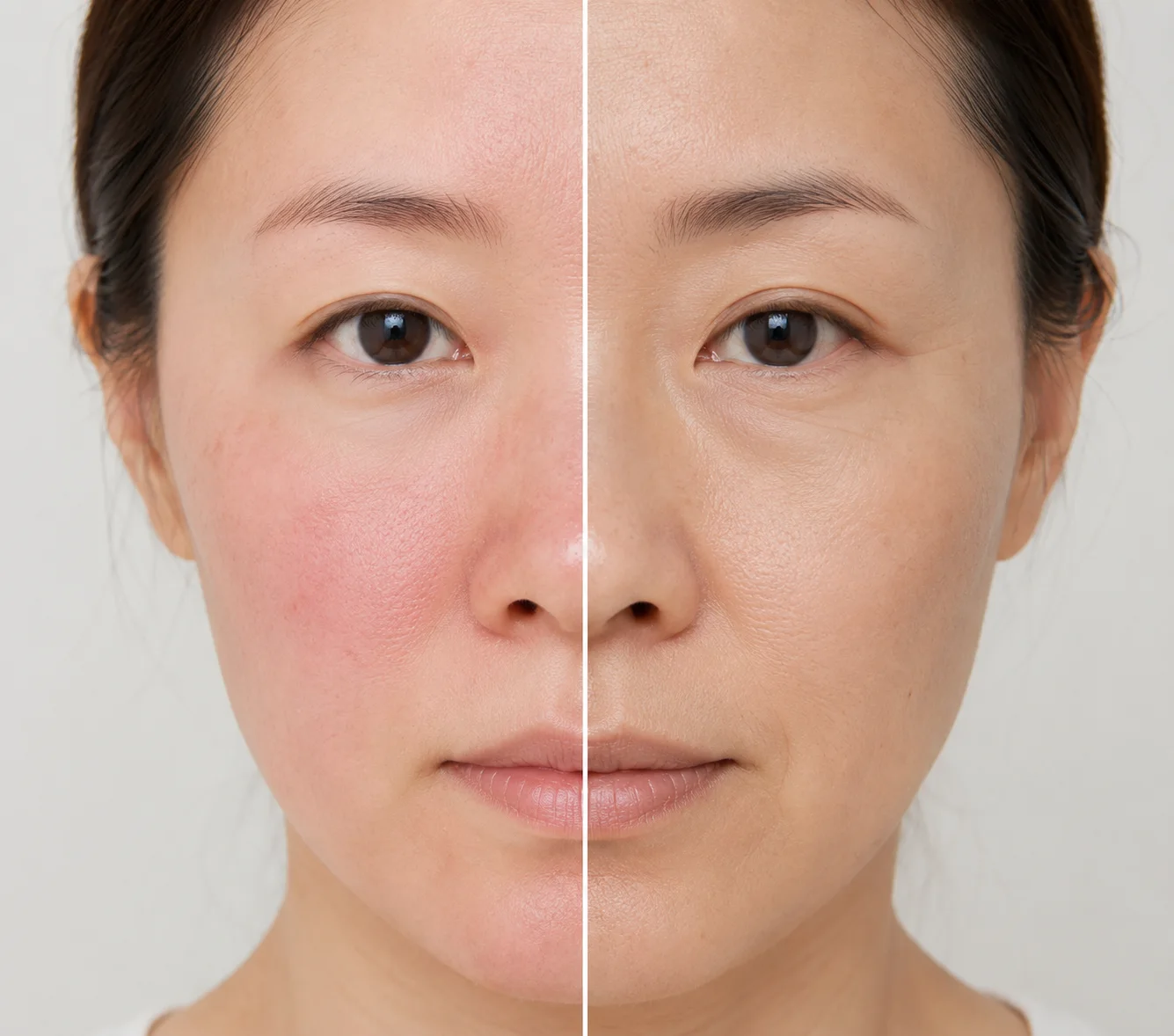
Pain & Downtime: Let’s Be Honest About the Needle Factor
Can You Mix Both? The Ultimate Korean Glow Cocktail
Final Checklist: Juvelook vs Rejuran Healer – Your Next Step
FAQ
It depends on your goal. Rejuran is better for repairing damaged skin and healing. Juvelook is better for improving skin texture, reducing pores, and adding subtle volume through collagen stimulation.
Most patients find the results worth the temporary discomfort. Rejuran provides unique cellular repair that topical products cannot achieve. Pain can be mitigated with proper numbing or sedation.
Juvelook results typically last 12 to 18 months after a full course of 3 sessions, as it stimulates your body’s natural collagen production.
Yes, combining them is a popular ‘cocktail’ treatment in Korea. They target different skin layers and concerns, providing comprehensive rejuvenation.
It refers to Rejuran Healer, which uses Polynucleotides (PN) extracted from salmon DNA to promote human skin regeneration and anti-inflammatory effects.
Common side effects include temporary redness, swelling, or minor bruising. Unlike older PLLA fillers, Juvelook’s spherical particles significantly reduce the risk of nodules or lumps.
Rejuran shows hydration and calming effects within a week. Juvelook results appear gradually over 4-8 weeks as new collagen is synthesized.
Downtime is minimal. Most patients experience minor redness or swelling for about 24 hours. There are usually no visible bumps like those seen with Rejuran.
Rejuran S (a more concentrated version) is excellent for healing scar tissue, while Juvelook is highly effective at filling in the ‘pitting’ associated with old acne scars by boosting collagen.