
View Skin Blog

Lip Filler Gone Wrong? Side Effects You Should Never Ignore

Table of Contents

Lip fillers are a popular non-surgical treatment for enhancing lip volume, improving definition, and creating better facial balance. However, like any injectable procedure, lip fillers can cause side effects, ranging from temporary swelling and bruising to more serious complications.
While most post-treatment reactions are mild and improve with time, knowing the difference between normal healing and warning signs is essential. Understanding potential risks before getting lip fillers can help you make a more informed decision and know when to seek medical attention.

What Is Normal After Lip Filler, and What Is Not?

Lip filler is an injectable treatment used to change the volume, shape or definition of the lips. The injection itself can cause temporary reactions, so some swelling or tenderness does not automatically mean that treatment has gone wrong. The important questions are how the area looks and feels, whether symptoms are getting better or worse, and whether any urgent warning signs are present.

Common early reactions: swelling, tenderness and bruising

After lip filler, the lips can look fuller than expected because swelling adds to the volume of the injected product. Small areas of bruising, sensitivity at injection points and a feeling of tightness can also occur. Swelling can be uneven, which may make the lips look asymmetrical during early recovery.
A bruise can change color as it heals. That is different from a new area of skin becoming pale, gray, blue or mottled, especially when it is accompanied by severe or increasing pain. If you are unsure what you are seeing, contact a clinician promptly rather than trying to diagnose it from photographs online.
Your injector should explain what recovery may look like for your treatment and give you a way to reach the clinic if you are concerned. Follow the individualized instructions you receive, and ask for clarification if they conflict with advice you have found elsewhere.

Why the pattern of recovery matters

Recovery varies with the person, the product, the injection technique and the amount treated. A single appearance or sensation does not always tell you what is happening. A useful question is whether the discomfort and swelling are gradually settling or whether new symptoms are appearing and existing symptoms are becoming more intense.
For example, mild tenderness that gradually eases is different from pain that becomes severe or spreads beyond the area you expected to feel sore. Similarly, a small bruise is not the same as a patch of skin that develops an unusual color and seems to be changing. Do not assume that a serious change is safe simply because you were told to expect swelling.
Some problems also appear after the initial recovery period. A new lump, increasing redness or renewed swelling deserves a conversation with a clinician, even if your lips initially seemed to heal normally. Describe when the change began and whether it is progressing.

Lip Filler Warning Signs That Need Urgent Attention

The most important lip filler warning signs are severe or increasing pain, unusual skin color changes, sudden vision symptoms, stroke-like symptoms, breathing difficulty and rapidly worsening facial swelling. These need immediate action because some complications can threaten tissue, vision or life.

Severe pain or unusual skin color: possible blood-flow compromise

A vascular complication can occur if filler affects blood flow in a blood vessel. Reduced blood supply can injure tissue. Warning signs may include severe or increasing pain and skin that turns pale, gray, blue or mottled. The area may look different from a typical bruise, and symptoms can involve skin around the lips as well as the lips themselves.
Seek immediate medical assessment if you notice these changes. Contact the injecting clinician immediately if they can arrange prompt assessment and treatment, but go to an emergency department if they cannot be reached or cannot see you immediately. Do not wait for the next business day or a scheduled review. If you are unsure where to go, call local emergency services for guidance.
Do not massage the area or attempt to correct it yourself while a blood-flow problem is suspected. A photograph can help show a changing appearance, but taking or sending pictures must not delay your departure for care. A clinician needs to assess the area directly and decide what treatment is appropriate.
Not every case presents in exactly the same way. You do not need to have every symptom on a list before asking for urgent help. A sudden or worrying combination of pain and skin color change is enough reason to act.

Vision changes or stroke-like symptoms: call emergency services

Sudden blurred vision, loss of vision or another new visual disturbance after facial filler is an emergency. Call emergency services immediately and tell them that you recently had an injectable filler treatment. Do not drive yourself.
Stroke-like symptoms also require an emergency call. These can include sudden facial drooping, weakness or numbness on one side, difficulty speaking, or sudden problems with balance. Tell the dispatcher when symptoms started if you know, but do not spend time searching for the exact treatment record before calling.

Spreading redness, warmth, worsening swelling or fever

Redness, warmth, increasing swelling, discharge or fever can be signs of infection or another complication. Seek prompt medical assessment, especially when symptoms are spreading or becoming worse. A clinician needs to determine the cause and whether treatment is required.
If you feel very unwell, have rapidly worsening symptoms, or cannot obtain prompt advice, go to an emergency department. Do not try to conceal the area with makeup or wait for a routine cosmetic appointment. Be prepared to say when the redness or swelling began and how it has changed.

Breathing difficulty or rapidly worsening facial swelling

Difficulty breathing, a feeling that the throat is tightening, or rapidly worsening facial swelling can signal a serious reaction. Call emergency services immediately. Tell the dispatcher about the recent filler treatment and describe the breathing or swelling symptoms.
Do not assume that an after-hours clinic message will be seen in time. Even if you have already contacted your injector, emergency symptoms need emergency help. Follow the dispatcher’s instructions while you wait.

What Are the Common Side Effects of Lip Fillers?

Most lip fillers use hyaluronic acid (HA), a substance that attracts and retains water. After injection, the lips may temporarily react to the treatment as the surrounding tissue adjusts.
Common side effects include:

  • Swelling: Lips may appear larger or uneven immediately after treatment. Swelling usually improves over several days, although individual recovery varies.
  • Bruising: Small bruises can develop around the injection sites due to minor blood vessel injury.
  • Tenderness: The treated area may feel sensitive or uncomfortable when touched.
  • Redness: Mild redness around injection points is common shortly after treatment.
  • Temporary unevenness: Swelling may affect each side differently, making the lips look asymmetrical during early recovery.
These reactions are generally temporary. However, symptoms that become increasingly painful, severe, or unusual should not be ignored.

What to Do If You Think Something Has Gone Wrong

If you suspect a lip filler complication, match your response to the most serious symptom present. Call emergency services for vision changes, stroke-like symptoms, breathing difficulty or rapidly worsening facial swelling. Seek immediate assessment for severe or increasing pain or unusual skin color changes. For other concerns, contact a qualified clinician promptly.

Step 1: Decide whether you need emergency care

Do not wait for reassurance from a social media group or an online photograph comparison. If you have an emergency symptom, call immediately. If you are experiencing severe pain or concerning color changes, seek immediate in-person assessment and do not wait for a routine appointment.
For a symptom that is worrying but not clearly urgent, tell the clinic exactly what is happening and ask when and where you should be seen. If you cannot reach the clinic, or if your symptoms escalate while you are waiting for a response, seek another appropriate medical service.

Step 2: Share treatment details without delaying care

Treatment information can help a clinician plan your assessment. If readily available, bring or send:
  • The date and approximate time of treatment.
  • The name of the filler product and, if recorded, its lot or batch information.
  • The name and contact details of the treating clinic and injector.
  • Details of previous lip filler or other facial injectable treatments.
  • A list of relevant medicines, allergies and medical conditions.
  • Photographs showing how the area changed, if you already have them.
Do not delay emergency care if you cannot find these details. Tell the receiving team what you know and ask the treating clinic to provide the record afterward. The absence of a product label should never stop you from seeking help.

Step 3: Avoid home fixes

Do not inject anything into your lips, attempt to dissolve filler yourself, or rely on an unverified home remedy. Do not massage an area where you suspect a blood-flow problem. These actions can delay proper assessment and may cause additional harm.
Also avoid treating a new problem as purely cosmetic until a clinician has assessed it. Booking more filler to correct unevenness, for example, does not address an underlying complication. Ask what the clinician thinks is causing the change and what the recommended next step is.

Step 4: Plan for urgent care and language support in Korea

If you are traveling, ask the clinic before treatment how to reach a clinician after hours and where you should go if urgent symptoms develop. Request written instructions in a language you understand, along with the clinic’s contact information and your treatment record.
Save your accommodation address and the Korean address if available, so you can share your location quickly. Ask whether the clinic can help you communicate with a receiving medical team, but do not wait for an interpreter or a clinic reply before calling emergency services when symptoms are serious.

How Long Does It Take for Lip Filler Side Effects to Go Away?

Recovery varies depending on the amount of filler used, injection technique, individual anatomy, and how the body responds.
In general:

  • First 24–48 hours: Swelling, tenderness, and redness may be most noticeable.
  • Several days after treatment: Swelling often begins to settle, although bruising may remain.
  • Around 1–2 weeks: Many patients see a more settled appearance as temporary swelling improves.
These are general estimates rather than guaranteed recovery timelines. If symptoms become worse instead of gradually improving, seek medical advice rather than waiting for the expected recovery period.

How Can You Reduce the Risk of Lip Filler Complications?

Choosing an appropriate provider and following proper treatment protocols are important steps in reducing risks.
Consider the following before treatment:
  1. Choose a qualified medical professional: Lip filler injections should be performed by an appropriately trained and licensed medical professional with knowledge of facial anatomy.
  2. Discuss your medical history: Inform your provider about allergies, previous filler treatments, cold sores, medications, and any relevant medical conditions.
  3. Understand the product: Ask which filler will be used and whether it is an authorized product for the intended treatment.
  4. Avoid rushing into treatment: A proper consultation should include an assessment of your lip anatomy, expectations, and suitability.
  5. Know the emergency plan: Ask how the clinic handles complications such as vascular occlusion and how to reach the medical team after treatment.
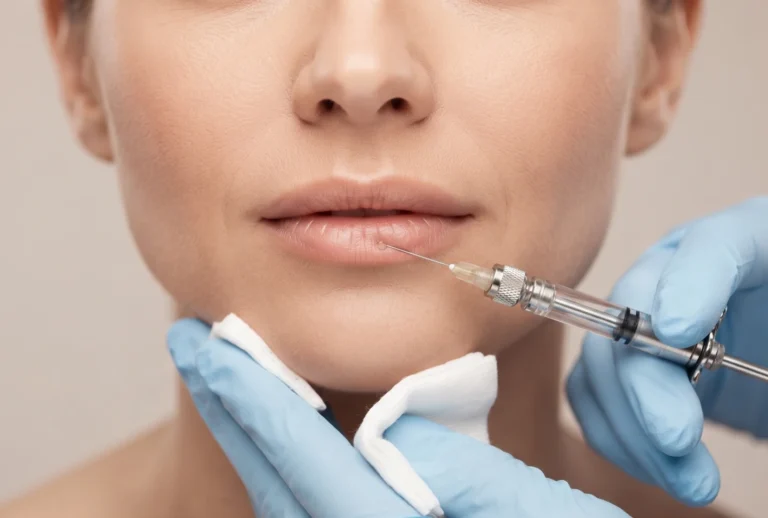
No injectable procedure is completely risk-free. A responsible treatment plan should explain both the expected results and potential complications.

Conclusion: Know the Risks Before Getting Lip Fillers

Lip fillers can enhance lip volume and definition, but understanding their potential side effects is just as important as knowing their aesthetic benefits. Mild swelling, bruising, and tenderness are common during recovery. However, severe pain, unusual skin discoloration, rapidly worsening swelling, and signs of infection should never be ignored. The best way to approach lip filler treatment is to prioritize safety, choose a qualified medical professional, and understand what to expect before and after the procedure.
At View Skin Clinic, a personalized consultation can help you understand your aesthetic goals, treatment suitability, and the precautions associated with injectable procedures. Make an informed decision and prioritize your safety at every step.

Frequently Asked Questions

How can I tell if lip filler swelling is concerning?

Swelling is more concerning when it is rapidly worsening, accompanied by severe pain or unusual skin color, or occurs with fever, spreading redness or warmth. Breathing difficulty or rapidly worsening facial swelling requires an emergency call. If you are uncertain about other swelling, contact a qualified clinician and explain when it began and how it has changed.
No. A lump can have different explanations, and early swelling can affect how the lips look and feel. Contact a clinician if a lump persists, grows, becomes painful or appears with redness or warmth. Do not squeeze it or try to inject a treatment yourself.
Yes. A vascular complication can occur if filler affects blood flow in a blood vessel, potentially injuring tissue. Severe or increasing pain and skin that becomes pale, gray, blue or mottled need immediate medical assessment. Do not wait for a routine follow-up or massage an area where you suspect a blood-flow problem.
Sudden vision changes after facial filler are an emergency. Call emergency services immediately, explain that you recently received filler and do not drive yourself. Do not wait for a reply from the injecting clinic before seeking emergency help.
No. Hyaluronidase may be used by a clinician for appropriate problems involving hyaluronic acid filler, but not every injectable filler is managed in the same way. A clinician needs to consider the product and the clinical problem. Do not attempt to dissolve filler at home.
Increasing redness, warmth, pain, swelling, pus, or fever may indicate an infection. Contact a medical professional promptly for evaluation.

Book a Consultation

Planning a treatment trip to Korea?
Receive personalized guidance for travel planning, procedure matching, and medical tourism support.