

Fraxel

Fractional CO₂ resurfacing for acne scars and uneven texture
A focused approach, guided by scar shape and depth
Procedure Time
About 1 hour
Anesthesia Type
Discuss numbing options
Daily Activity
Face washing from the next day
Treatment Plan

Every 4 weeks
3 or more sessions

Procedure time, comfort measures and recovery are discussed before treatment. Your plan depends on the treated area, scar pattern and healing response.

Fraxel
Resurface uneven texture​

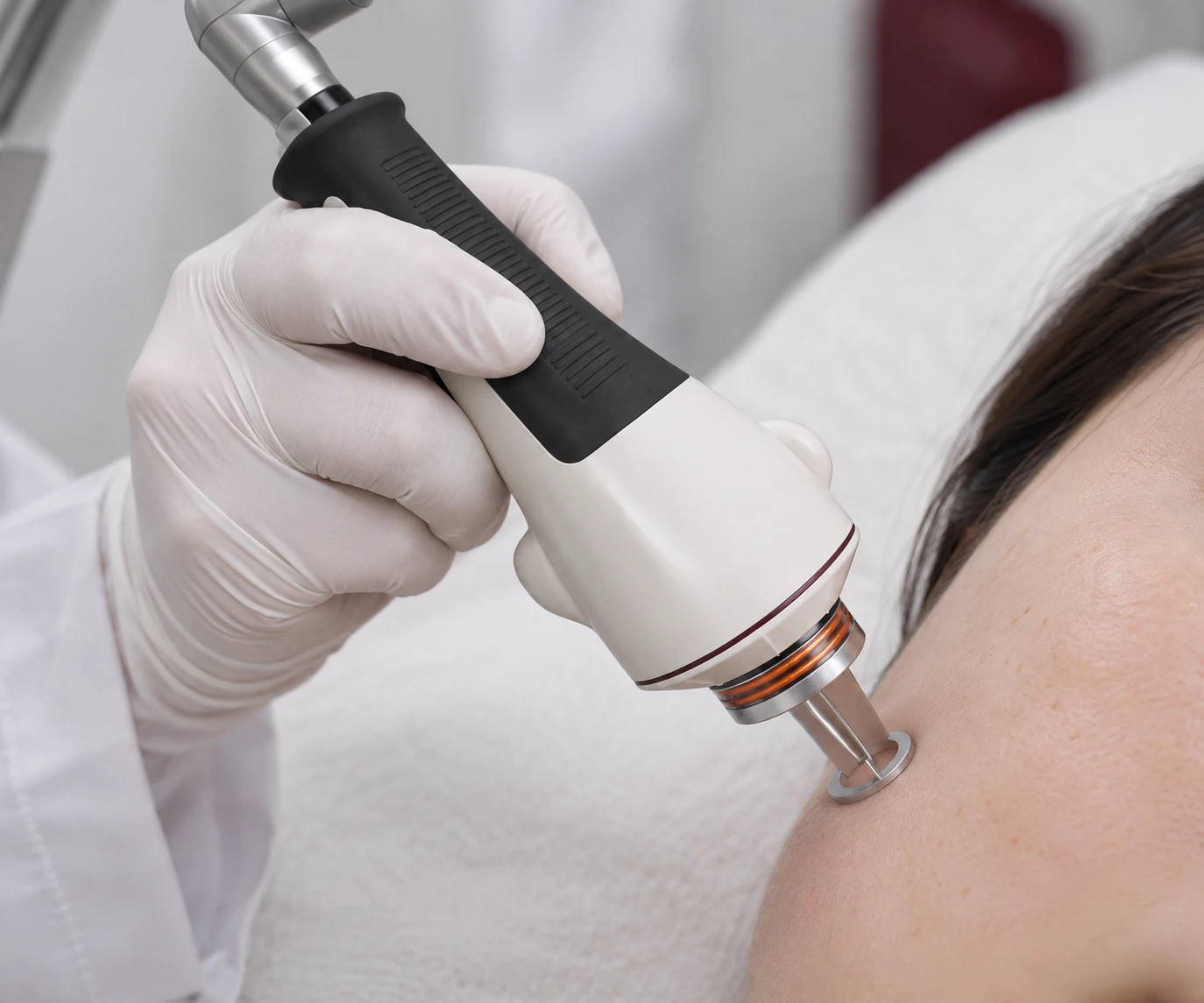
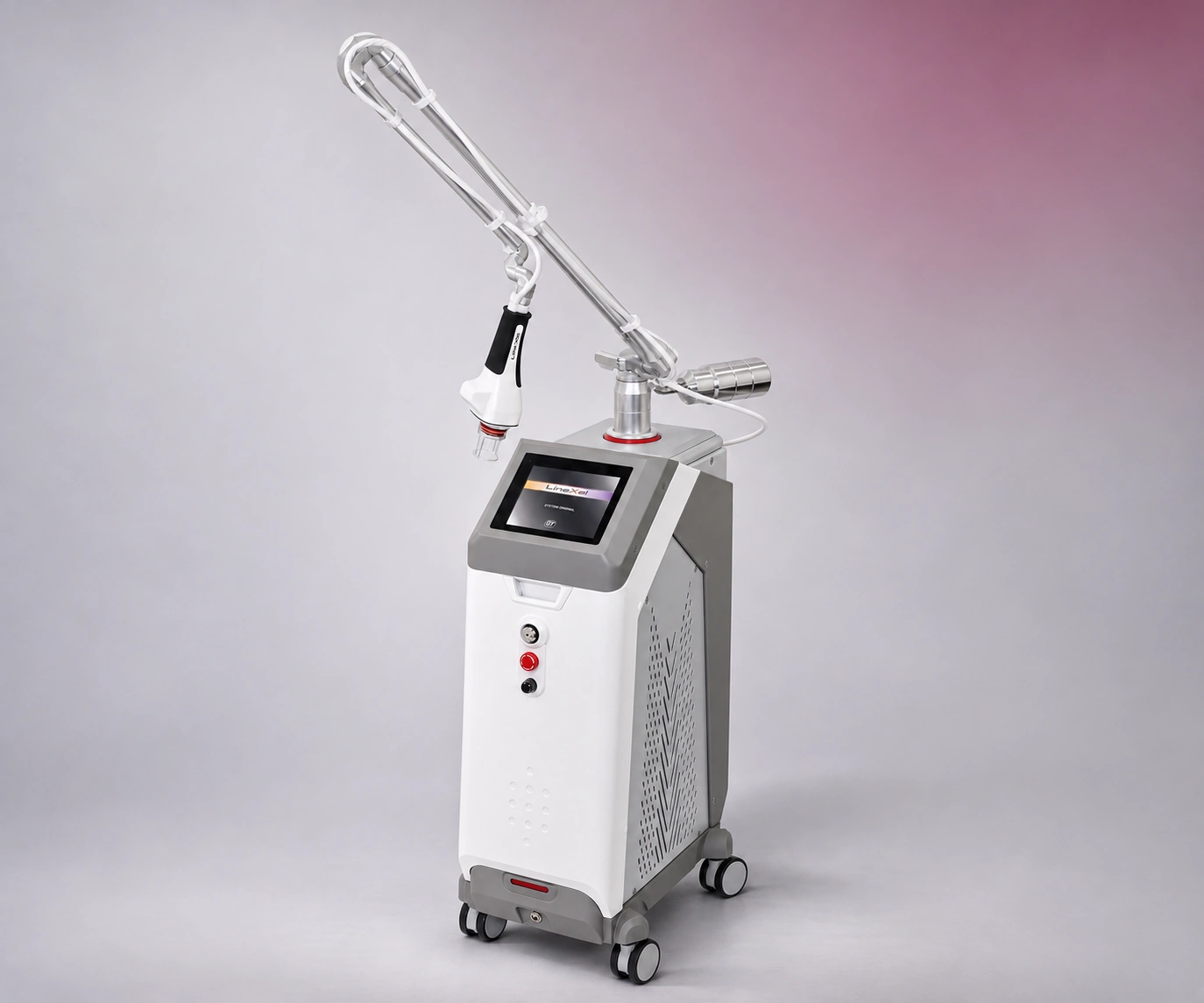
Fraxel at VIEW uses the LineXel fractional CO₂ system.
Fractional CO₂ laser resurfacing treats small, separated zones of skin. It may improve the uneven texture of selected depressed acne scars, with untreated tissue between the treatment zones.
Scar shape, depth and healing response guide the approach. The aim is a change in texture; complete scar removal is not a realistic promise.
FRACTIONAL TECHNOLOGY

Fractional laser resurfacing​

Target acne scars
Refine skin texture
Fractional lasers treat small, separated areas of skin, leaving tissue between the treatment points. This approach supports skin renewal and collagen remodelling to improve the appearance of acne scars, visible pores and uneven texture.

Treatment settings are tailored to your skin condition and the shape and depth of your scars.
FRAXEL BENEFITS

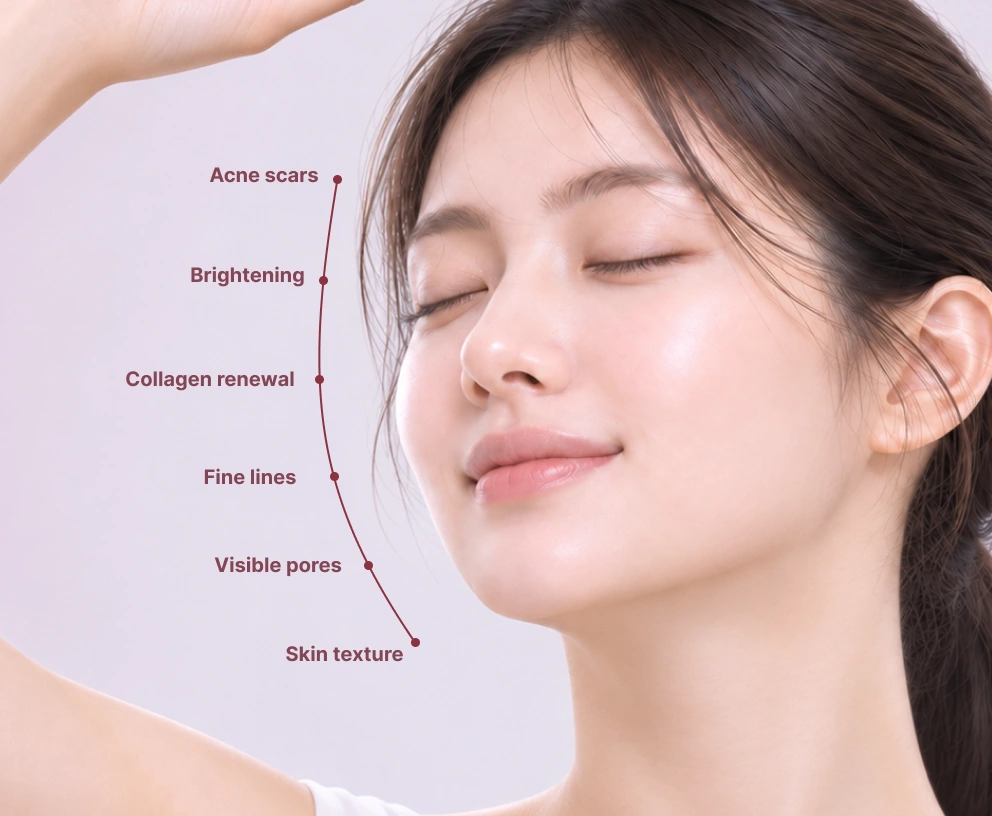
Scars, pores, fine lines
Refine the look of your skin​

Fractional CO₂ resurfacing supports skin renewal, with changes in texture and appearance assessed as the skin heals.

Acne scars

Soften uneven scar texture

Brightening

A more even-looking tone

Collagen renewal

Support the skin’s rebuilding process

Fine lines

Soften the look of fine lines

Visible pores

Refine the look of pores

Skin texture

A smoother-looking surface
Potential changes vary with the concern and individual healing. Not every effect is expected for every patient.
HOW FRAXEL WORKS

Tiny laser points
Start skin renewal​

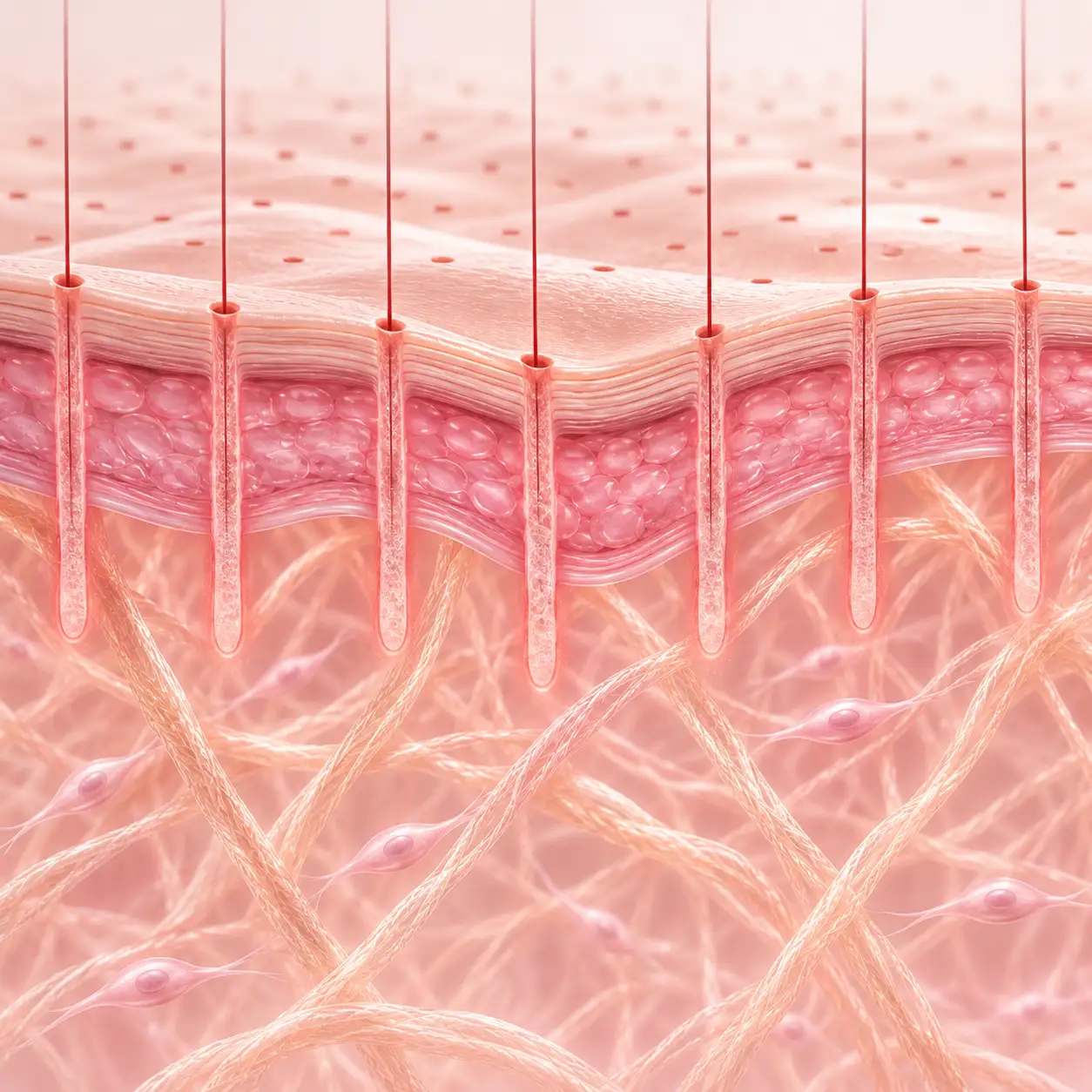
Fraxel delivers laser energy at many small, separated points. As these treated areas heal, the skin repairs its surface and rebuilds collagen beneath it.
Tissue remains between the treatment points. Recovery and visible changes depend on the settings and your skin’s response.
step 01

Targeted laser points​

Small treatment channels are created in the skin, with tissue left between them.
step 02

Collagen rebuilding​

The healing response helps repair the surface and remodel collagen below it.
step 03

Texture refinement​​

As the skin heals, some scars and visible pores may look less noticeable.

SKIN CONCERNS

Scar shape
Guides the approach

A depression, a visible pore and rough surface texture can look similar in a photograph. Their shape and depth help identify what resurfacing may address.

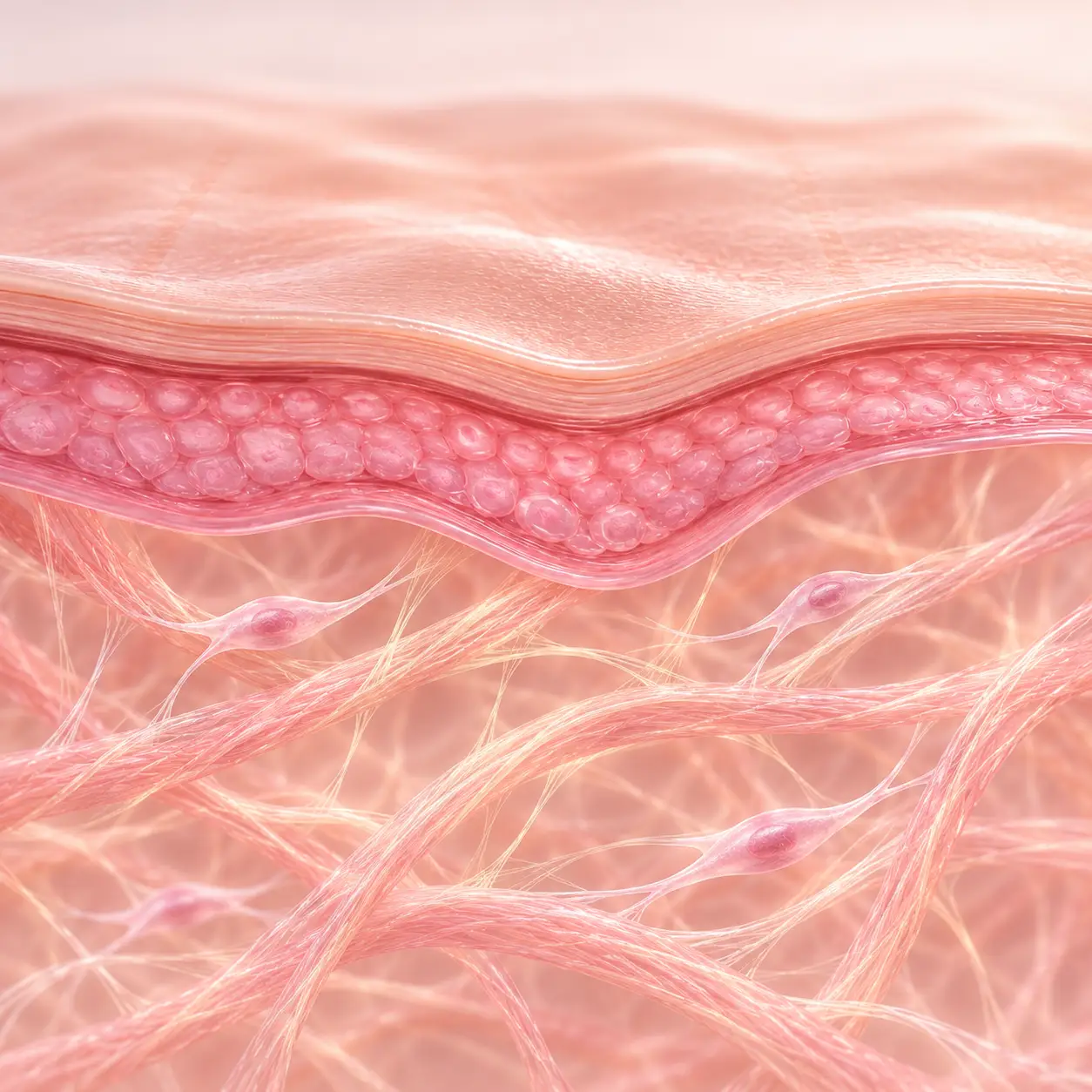
Illustrative close-up of different depressed acne scar shapes
AI-generated skin example; not a patient or before-and-after image.

01

Depressed acne scars

Depth and shape guide treatment

Treatment context

Depressed acne scars sit below the surrounding surface. Fractional CO₂ resurfacing may soften the uneven texture of selected scars.

Points to discuss

Scar depth and shape matter, and some scars may need additional or different approaches. Improvement in appearance is the goal; complete removal is not a realistic promise.

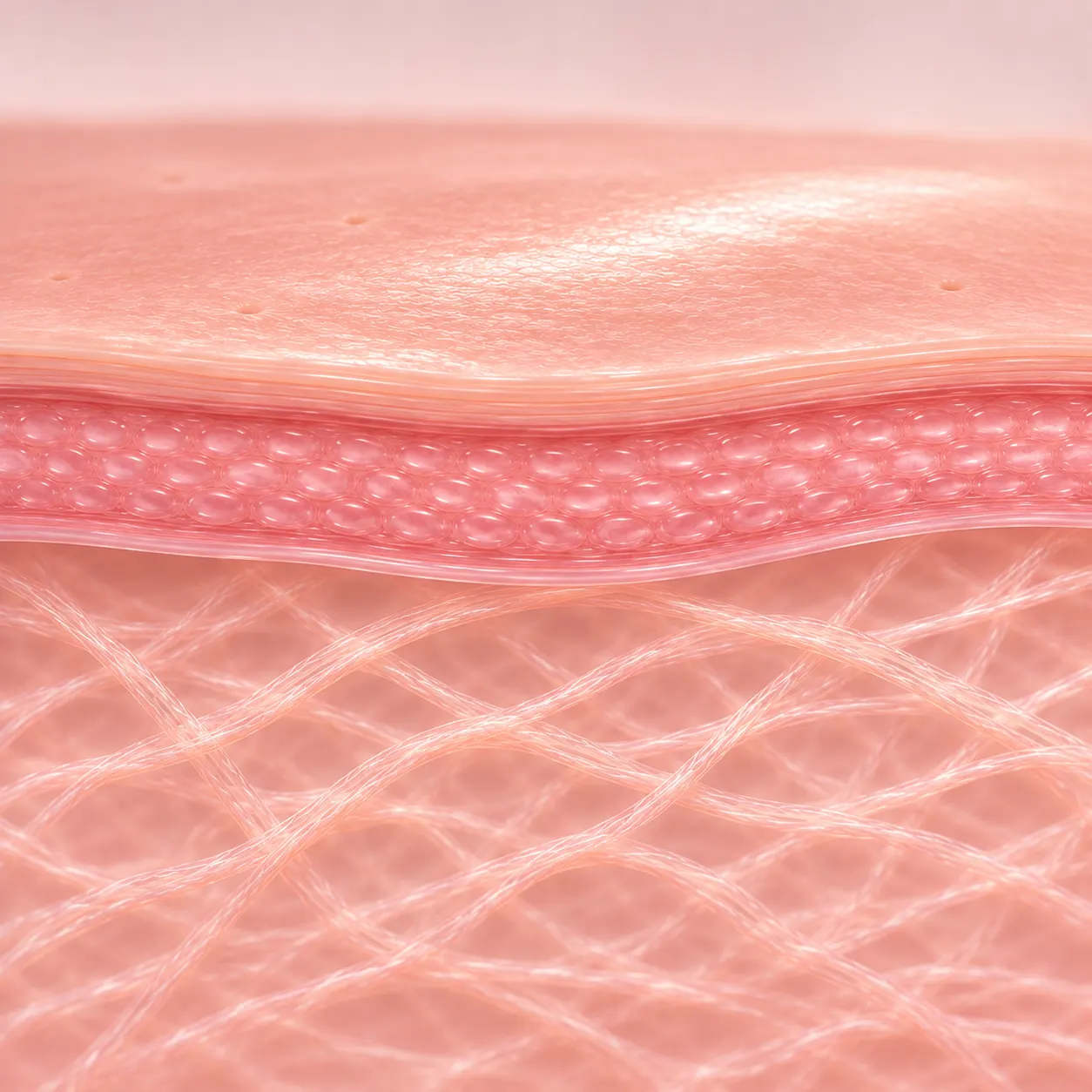
Natural cheek texture with visible pores
AI-generated educational skin example; not a patient or treatment result.

02

Visible pores

Distinguish pores from scar texture

Treatment context

Visible pores and small scar depressions are different concerns. Their appearance, surrounding texture and oiliness need to be considered together.

Points to discuss

A pore concern does not establish that resurfacing is suitable. Treatment does not permanently close pores.
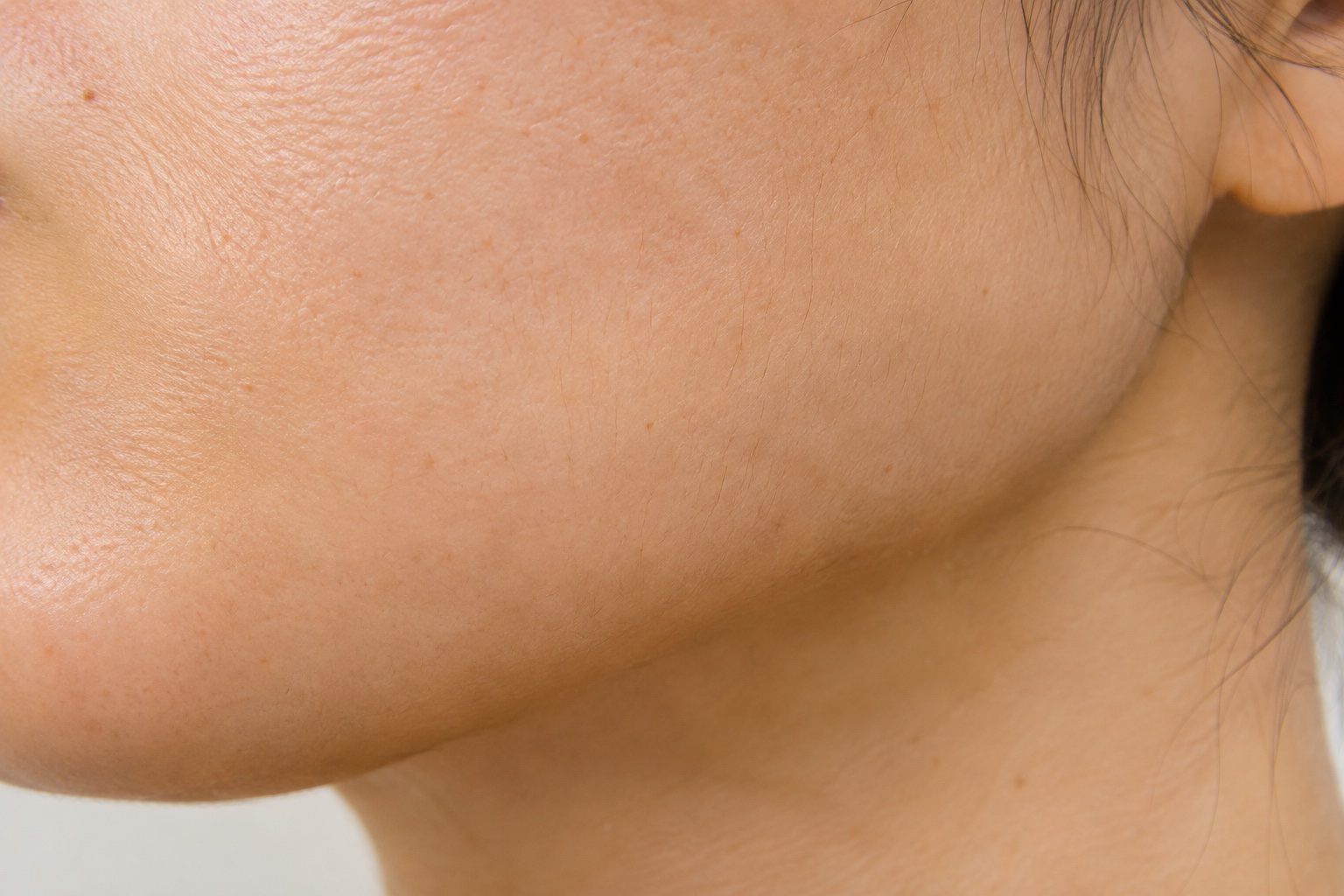
Cheek surface under soft directional light
AI-generated educational skin example; not a patient or treatment result.

03

Rough or uneven texture

Separate roughness from sensitivity

Treatment context

Describe what you notice: a rough feel, an uneven surface or increased sensitivity. These details help distinguish concerns that may look alike.

Points to discuss

Resurfacing may be unsuitable for the cause of the roughness. Other care may be needed before considering a laser procedure.
01 / 03
TREATMENT APPROACH

Tissue removal
Changes the recovery​

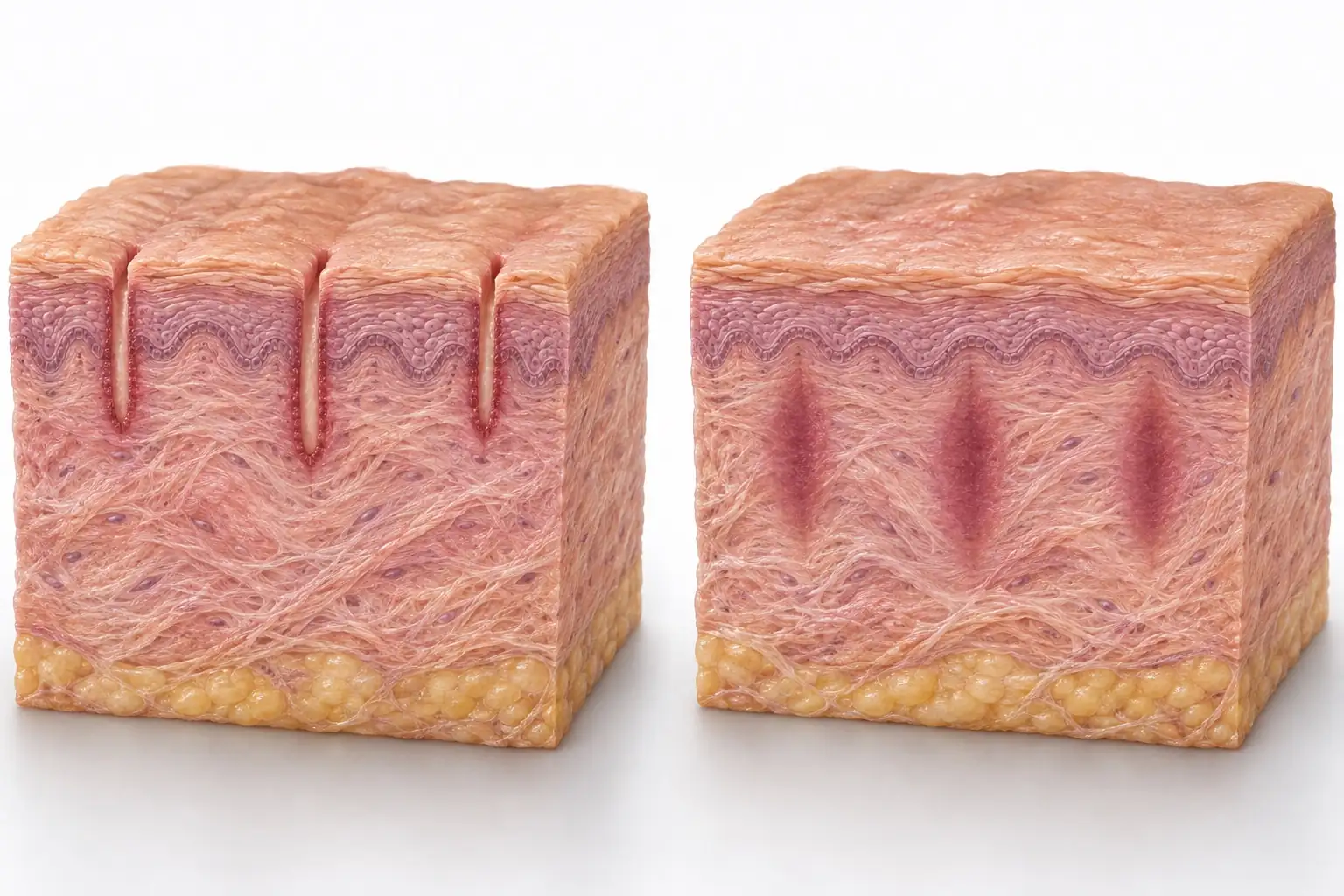
Fractional describes a spaced treatment pattern. Ablative describes tissue removal. Knowing both explains why fractional treatments can have different healing requirements.
Skin cross-sections comparing ablative fractional laser channels with non-ablative heating zones beneath an intact surface

Ablative fractional resurfacing

Fractional CO₂ removes tissue within small treatment zones. The treated surface needs to heal, so redness, sensitivity and crusting belong in the recovery discussion.

Non-ablative fractional treatment

Creates zones of heating without the same tissue-removing effect at the surface. The tissue effect and recovery experience differ from ablative resurfacing.
Compare the concern being treated, expected recovery and risks before choosing a method.
WHO IT’S FOR

Acne scars, visible pores
A reason to consider Fraxel​

Fraxel may be considered when acne scars, visible pores or uneven surface texture are your main concerns. The choice depends on the cause, depth and condition of your skin.
01

Depressed acne scars

Scars that leave small dents or an uneven surface after acne has settled. Scar shape and depth help guide whether resurfacing is suitable.
02

Visible pores and rough texture

Pores that look prominent alongside rough or uneven skin texture. Treatment aims to refine their appearance, not permanently close them.
03

Oily skin with texture concerns

Excess shine together with visible pores or old acne scars. Oiliness alone is not a reason for Fraxel; active acne may need separate care first.
04

Fine lines and surface unevenness

Fine surface lines or uneven texture that remain noticeable in natural light. Sensitivity and pigment history are assessed before choosing a treatment.
COMBINATION OPTIONS

Different concerns
A combined approach​

Fraxel works on uneven surface texture. When scars also involve tethering, deeper dents or loss of support, a different treatment may be considered alongside it. Your clinician selects the approach and timing; combination treatment does not mean having everything on the same day.
RF microneedling
For visible pores, uneven texture or scars with firmness concerns. Fine needles deliver radiofrequency energy into the skin, offering a different approach to collagen remodelling alongside surface resurfacing.
Devices such as Potenza and Vivace belong to this category. The device, settings and treatment sequence are selected individually.
When uneven texture is accompanied by a need for collagen support, a PDLLA-based injectable may be considered as part of the plan.
Juvelook focuses on skin-quality concerns; Juvelook Volume is a different formulation for deeper volume support. They are not interchangeable, and not every depressed scar needs volume treatment.
Subcision may be considered for scars held down by fibrous bands beneath the skin. It targets the tethering while resurfacing addresses the uneven surface.
Focal scar treatment, such as TCA CROSS, may be discussed for selected narrow, deep scars. These approaches depend on scar type and clinician assessment; availability is confirmed at consultation.
An additional option to discuss when considering a broader skin-treatment plan. The clinician first confirms the material used, how it is applied and whether combining it with Fraxel is appropriate.
Stem-cell procedures, conditioned media and exosomes are different treatments. This option does not imply a proven improvement in Fraxel results or a shorter recovery.

Fraxel
Questions before treatment

What is Fraxel treatment at VIEW?
Fraxel at VIEW is performed with LineXel, a fractional CO₂ laser. Fractional CO₂ resurfacing treats small areas of skin in a spaced pattern rather than removing the whole surface at once. Its purpose is to support skin repair and improve selected texture concerns.
Fractional CO₂ resurfacing may improve the texture of some depressed acne scars. Scar depth and shape matter, and some scars may need additional or different approaches. Visible pores and roughness also need assessment, because their appearance can have different causes. A consultation helps distinguish the concern and whether this approach fits your skin. Complete scar removal and permanent pore closure are not expected outcomes.
Stinging, heat and discomfort can occur. Ask about suitable comfort measures before treatment. Redness, swelling, a tight or sensitive feeling, and small crusts can follow resurfacing. Your recovery depends on the treated area, treatment intensity and individual healing. Discuss work, exercise, makeup and travel plans before scheduling; there is no single recovery timetable that applies to everyone.
A session count cannot be chosen from a treatment name alone. The plan depends on your scar pattern, skin response, goals and ability to allow for recovery. Changes are assessed over time as the skin heals, and further treatment should be considered after reviewing that response. Ask which changes are realistic for your concern and when the outcome should be reassessed. Results vary and are not guaranteed.
Risks include prolonged redness, darker or lighter patches, infection, cold sore reactivation and scarring. Tell the clinician about previous cold sores, unusual scarring, pigmentation changes and current medicines. Follow the instructions you receive for cleansing, prescribed products and sun protection. Avoid picking crusts and restarting irritating skincare without advice. Contact the clinic promptly if pain, redness or swelling worsens, or if blisters, discharge or other unexpected changes develop.

Discuss the scars
Understand the recovery​

Ask about Fraxel laser in Seoul at VIEW. Share the scars or texture that concern you, previous treatments and any upcoming events. Discuss whether LineXel fractional CO₂ resurfacing is suitable, what it may change and what healing will involve.