
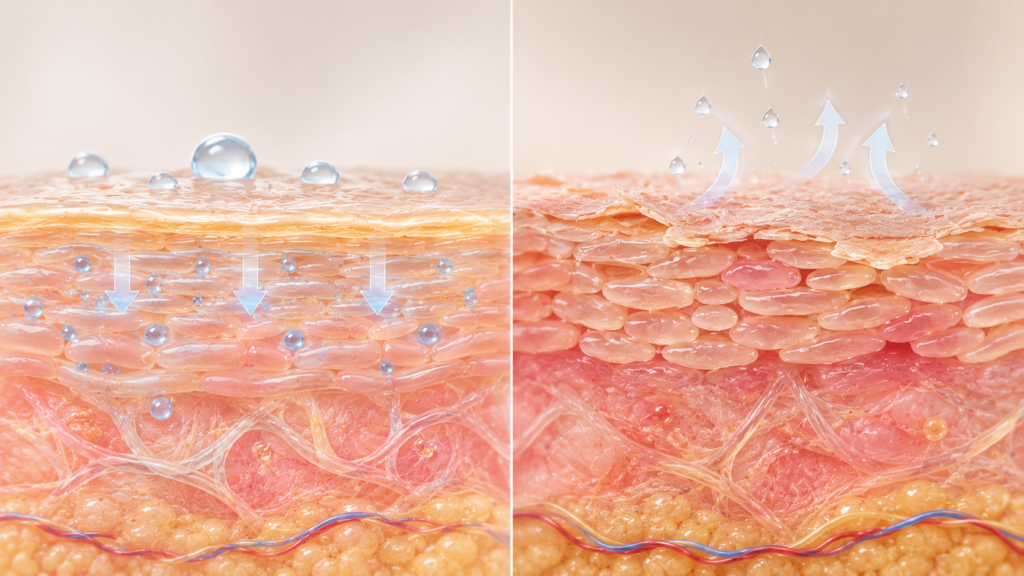
Having sensitive skin does not mean you have to avoid professional skincare treatments. However, choosing the right procedure requires more care, especially if your skin frequently experiences redness, itching, dryness, burning, or irritation. Before booking a treatment at a Korean skin clinic, it is important to understand how your skin reacts, what may trigger irritation, and whether an underlying skin condition needs attention first.
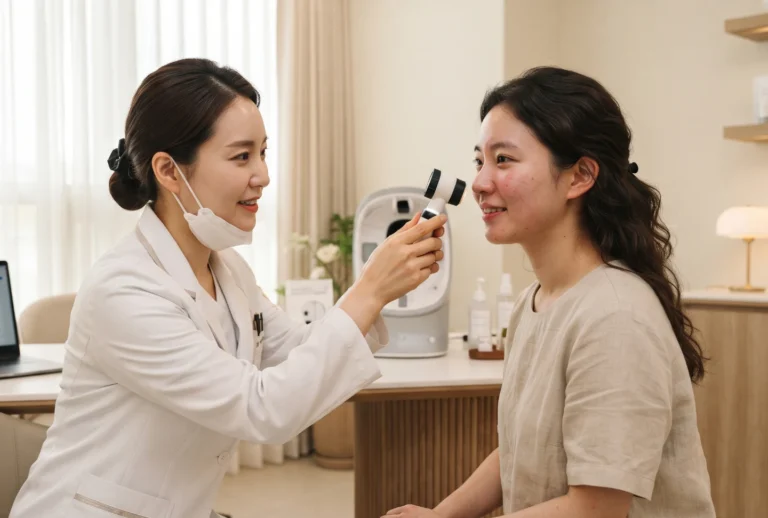
At View Skin Clinic in Korea, a consultation is an important first step in understanding your skin concerns and discussing suitable treatment options. Rather than choosing a procedure based only on popularity, your skin condition, medical history, and treatment goals should guide the decision. This guide explains what to discuss during your consultation, when testing may be useful, and how to make a more informed decision before undergoing an aesthetic procedure.
Key Takeaways
- Sensitive skin is a description of how your skin reacts, not a medical diagnosis.
- Share your symptoms, skincare products, medications, allergies, and previous treatment reactions with your clinician.
- Active irritation or an unresolved skin condition may need assessment before an aesthetic procedure.
- Allergy patch testing and laser test spots serve different purposes.
- Understanding treatment risks, recovery, and follow-up is essential before making a decision.
What Does Sensitive Skin Mean?
Sensitive skin can describe a range of reactions, including stinging, burning, itching, redness, tightness, and dryness. These symptoms may occur after applying skincare products, exposure to weather changes, or undergoing certain treatments. However, sensitive skin is not a specific medical diagnosis. Similar symptoms may be associated with conditions such as eczema, rosacea, or contact dermatitis. Each condition has different causes and may require a different approach. This is why identifying the reason behind your skin reactions is important before selecting an aesthetic treatment.
Common Symptoms and Possible Triggers
If your skin frequently reacts, pay attention to the following:
- Burning or stinging after applying skincare products
- Redness, itching, or visible irritation
- Dryness, peeling, or a tight sensation
- Discomfort after exfoliation or cosmetic procedures
- Reactions to heat, cold, wind, or friction
What Should You Tell the Clinician Before Treatment?
A proper consultation should begin with your skin history, not simply a discussion about which treatment you want to book. Before visiting a Korean skin clinic, prepare a few important details.
1. Your Current Skin Symptoms
Explain what your skin feels like and when the symptoms started. For example, mention whether your cheeks sting after cleansing, whether your face becomes red after exercise, or whether certain areas frequently feel dry and itchy. If your symptoms come and go, photographs of previous flare-ups may also help.
2. Your Skincare Products and Medications
Bring a list or photographs of the products you currently use, including:
- Facial cleansers and moisturizers
- Sunscreen and makeup
- Exfoliants and active skincare ingredients
- Prescription creams and medications
- Supplements and known allergies
3. Previous Treatment Experiences
If you have undergone laser treatments, chemical peels, injections, or other aesthetic procedures, explain how your skin responded. Mention any unusual swelling, prolonged redness, irritation, or changes in pigmentation. Previous reactions do not automatically mean you cannot receive another treatment, but they are important when evaluating potential risks.
4. Your Travel and Recovery Schedule
If you are visiting Korea for a short stay, tell the clinic your arrival and departure dates. Consider how much recovery time you have and whether you can attend follow-up appointments. Some procedures may require monitoring or additional visits, so your travel schedule should be considered before treatment. If you need language assistance, ask whether consultation, consent forms, and aftercare instructions are available in a language you understand.
Should You Treat Sensitive Skin or Address a Skin Condition First?
One of the most important steps is understanding whether your concern is primarily aesthetic or related to an underlying skin condition. For example, someone who wants to improve facial redness may also have recurring irritation. Another person seeking smoother skin may be experiencing dryness or an eczema flare. In these situations, treating the underlying concern may need to come before an aesthetic procedure.
When Should You Consider Postponing Treatment?
An elective procedure may need to be postponed if you have:
- Active redness, irritation, or a skin flare
- Broken or inflamed skin in the treatment area
- A possible skin infection
- Unexplained or worsening symptoms
Patch Testing vs. Laser Test Spots: What Is the Difference?
Testing may be discussed when there are concerns about allergies or how your skin might respond to a particular procedure. However, not all tests answer the same question.
Allergy Patch Testing
Allergy patch testing helps investigate possible delayed allergic reactions to selected substances. A clinician may recommend it if you have a history of recurring skin reactions or suspected contact allergies. Ask which substances will be tested, who will interpret the results, and whether additional appointments are required. A negative result does not guarantee that every skincare product or cosmetic procedure will be safe for you.
Laser or Procedure Test Spots
A test spot involves applying a proposed treatment to a small area before considering a larger treatment area. For certain laser procedures, this may help the clinician observe how your skin responds to the selected device and settings. However, a test spot cannot guarantee that a full treatment will be reaction-free. The response may vary depending on the treatment area, settings, and individual skin condition.
Remember: Allergy patch testing investigates possible contact allergies, while a procedure test spot evaluates a limited response to a specific treatment. They are not interchangeable.
Are Aesthetic Treatments Suitable for Sensitive Skin?
Sensitive skin does not automatically rule out aesthetic treatments. However, it also does not mean every procedure is suitable. The right approach depends on your current skin condition, medical history, treatment goals, and the type of procedure being considered.
Here are several treatment categories you may discuss with a qualified clinician.
Lasers and Other Energy-Based Treatments
Laser and energy-based procedures may be used for concerns such as pigmentation, redness, uneven skin tone, or skin laxity. However, different devices use different types of energy and treatment settings. Potential reactions may include temporary redness, swelling, irritation, burns, or changes in pigmentation.
If you have sensitive or reactive skin, ask:
- Is this device appropriate for my current skin condition?
- What risks should I consider based on my skin tone and history?
- Would a test spot be useful?
- How much recovery time should I expect?
Injections and Fillers
Injectable procedures, including Botox and dermal fillers, have different ingredients, purposes, and potential complications. If you have a history of allergies or previous reactions to injections, inform your clinician before treatment. Ask about the exact product, expected results, possible side effects, and how complications are managed.
Chemical Peels and Exfoliating Treatments
Chemical peels and exfoliating procedures can help address selected concerns involving skin texture, dullness, and uneven tone. However, they may also cause irritation, especially when the skin barrier is already compromised. If your skin frequently stings or peels, discuss whether a peel is appropriate now or whether your skin needs assessment first.
How to Prepare for Your Treatment and Recovery
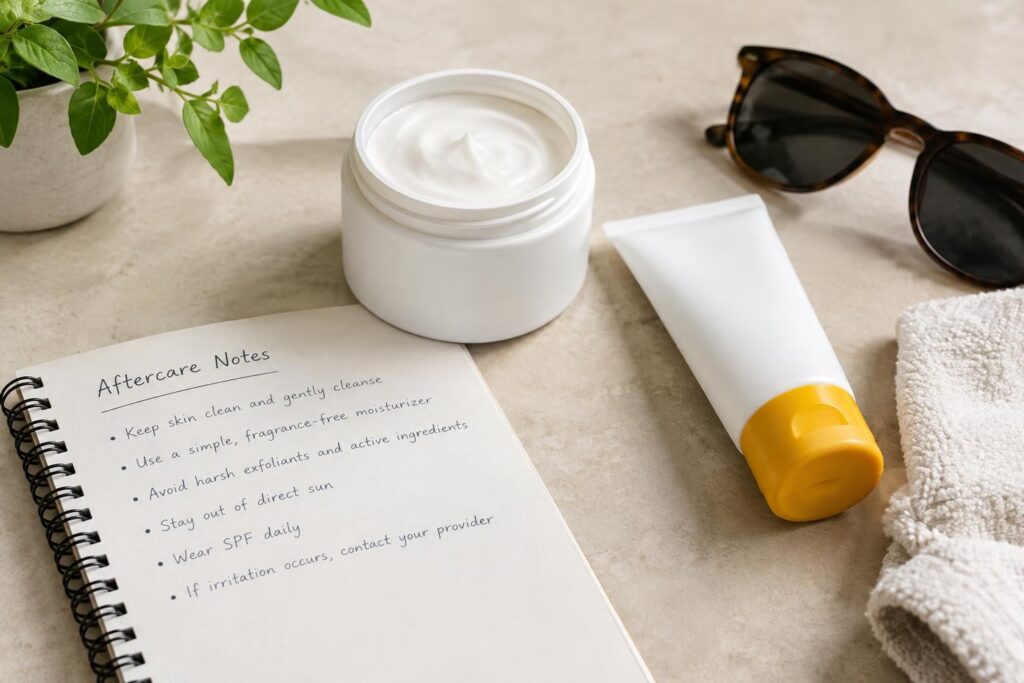
Understanding aftercare is just as important as choosing the procedure. Before treatment, ask your clinician whether you need to adjust your skincare routine. Do not stop prescribed medication without consulting the healthcare professional who prescribed it.
After treatment, follow the clinic’s instructions regarding:
- Cleansing and moisturizing
- Sun protection
- Products or ingredients to avoid
- Exercise and other activities
- Expected redness, swelling, or sensitivity
- Follow-up appointments
Before the Appointment
After Treatment
Follow-Up and Warning Signs
Personalized Skin Treatment at View Skin Clinic in Korea
Every skin type has different needs. For patients with sensitive or reactive skin, understanding the condition before selecting a procedure is particularly important. At View Skin Clinic, you can discuss your skin concerns, previous reactions, and treatment goals during a consultation. The clinic’s team can help you understand available treatment options and whether further assessment is needed before proceeding. Whether you are considering laser treatments, injectables, or professional skincare, the goal should be to choose an approach that takes your individual skin condition into account.
Frequently Asked Questions
Can I Get an Aesthetic Treatment If I Have Sensitive Skin?
Possibly. Sensitive skin does not automatically prevent you from receiving aesthetic treatments. However, your current symptoms, medical history, and proposed procedure should be assessed first.
Is a procedure test spot the same as allergy patch testing?
Can Laser Treatments Make Sensitive Skin Worse?
Laser treatments may cause temporary irritation and, in some cases, burns or pigmentation changes. The risks depend on the device, settings, treatment area, and individual skin condition.
What Is the Difference Between Patch Testing and a Laser Test Spot?
Patch testing investigates possible delayed contact allergies to selected substances. A laser test spot evaluates how a small area responds to a particular laser treatment. Neither guarantees a reaction-free result.
Should I Avoid Treatment During a Skin Flare?
An active flare, infection, or significant irritation may be a reason to postpone an elective procedure. Ask a qualified clinician to assess your skin before proceeding.
Can I Have Multiple Aesthetic Treatments During One Visit?
It depends on the procedures, your skin condition, and the clinician’s assessment. Combining treatments is not always appropriate, particularly if your skin is currently irritated.