
The Paradigm Shift: From Aesthetic Concealment to Cellular Bio-Hacking
As we navigate through 2025, the landscape of aesthetic medicine in South Korea has undergone a radical transformation. The era of merely ‘filling’ wrinkles or ‘paralyzing’ muscles is being eclipsed by a more sophisticated philosophy: regenerative bio-hacking. This clinical approach leverages the body’s innate biological potential to repair, renew, and optimize skin health at a cellular level. For international patients seeking the best skin treatments in Seoul, understanding this shift is crucial for achieving long-lasting, natural-looking results.
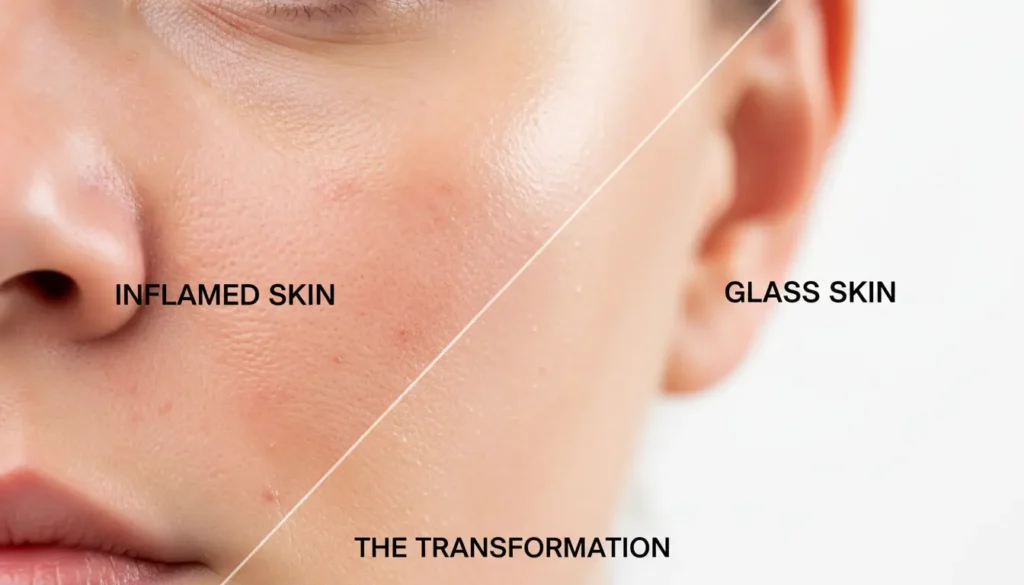
At View Plastic Surgery, we have observed that Korean dermatology trends 2025 are no longer defined by the ‘Glass Skin’ aesthetic alone, but by ‘Biological Resilience.’ This involves the strategic use of stem cell-derived treatments and advanced bio-stimulators that instruct the skin to behave like a younger version of itself.
The Economic and Cultural Drivers of 2025 Trends
South Korea’s status as a global medical powerhouse is solidified by recent data showing medical tourism hitting a ₩2 trillion milestone. Dermatology accounts for over 57% of this surge. The modern patient—often referred to in industry reports as the ‘Skintelligent’ consumer—is moving away from invasive surgeries toward ‘lunchtime procedures.’ This trend is driven by Gyeongri Beauty, a Korean concept emphasizing high-performance, multifunctional treatments that offer the best cost-per-use value. Patients now prefer comprehensive skin care protocols over isolated procedures.
The Science of Regenerative Bio-Hacking: Exosomes and PDRN
Exosome Therapy: The Messaging Revolution
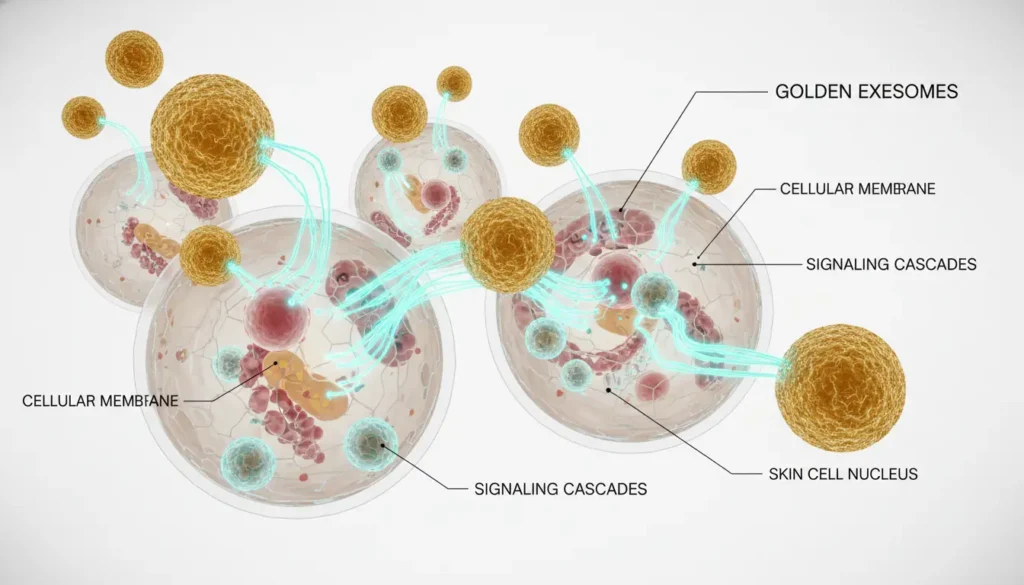
When asking what is the most popular skin treatment in Korea? in 2025, the answer invariably points to Exosome therapy Korea. Exosomes are extracellular vesicles that act as the ‘postal service’ of the cellular world. They carry proteins, lipids, and nucleic acids that facilitate intercellular communication.
- Mechanism of Action: Unlike traditional serums that sit on the surface, exosomes penetrate deeply to deliver ‘instructions’ to damaged cells, triggering immediate repair and anti-inflammatory responses.
- Clinical Applications: Predominantly used after laser treatments to reduce downtime by up to 50% while magnifying the collagen-production signal.
PDRN and PN: The DNA Repair Kit
Polydeoxyribonucleotide (PDRN), derived from salmon DNA, remains a cornerstone of regenerative medicine dermatology. In 2025, we are seeing the rise of high-concentration PN (Polynucleotide) variants like Rejuran Healer, which focus on restoring the structural integrity of the extracellular matrix (ECM). These skin booster injections are essential for patients with compromised skin barriers or chronic inflammation.
| Treatment Type | Primary Bio-Mechanism | Key Benefit | Recommended Frequency |
|---|---|---|---|
| Exosome Therapy | Paracrine Signaling | Rapid Healing & Pore Refinement | 3 sessions (monthly) |
| Juvelook (PDLLA) | Neocollagenesis | Volume Restoration & Texture | 3 sessions (every 6 weeks) |
| PDRN / PN | Nucleotide Synthesis | DNA Repair & Barrier Health | Maintenance every 4 months |
The Hybrid Evolution: Juvelook and Biostimulators
Juvelook has emerged as the definitive hybrid treatment in 2025. By combining Poly-D,L-Lactic Acid (PDLLA) with Hyaluronic Acid (HA), it offers both immediate hydration and long-term collagen stimulation. This is superior to traditional dermal fillers because it encourages the body to produce its own structural proteins rather than just providing a temporary physical volumizer.
Why Juvelook is Dominating Gangnam Clinics
- Safety Profile: The spherical molecules of PDLLA in Juvelook minimize the risk of nodules, a common concern with older PLLA formulations.
- Versatility: It can be used for ‘Juvelook Volume’ (for sunken cheeks) or ‘Juvelook Skin’ (for fine lines and scars).
- Synergy: Often paired with botulinum toxin in micro-doses for the ‘Skin Botox’ effect, tightening pores while improving texture.
Fourth-Generation Energy-Based Devices (EBD)
The 2025 trend for non-surgical lifting involves precision targeting. Technologies like Sofwave and ONDA are replacing older, more painful modalities. These devices are at the heart of lifting services in Seoul.
Sofwave: Synchronous Ultrasound Parallel Beam
Sofwave targets the mid-dermal layer (1.5mm) where collagen density is highest. Its unique cooling mechanism allows for high-energy delivery without damaging the epidermis or the underlying nerves/fat, making it the preferred choice for those wary of the ‘fat loss’ side effect associated with some HIFU treatments.
ONDA Coolwaves
ONDA utilizes microwaves that bypass the upper layers of the skin to target localized fat and the connective tissue. It is exceptionally effective for jawline contouring and tightening the ‘double chin’ area with virtually zero downtime.
Strategic Implementation: The 'Seoul Glow-Up' Itinerary
For those visiting Korea, a strategic protocol is required to maximize results within a short stay. We recommend a multi-modal approach known as ‘Intentional Maximalism.’
Phase 1: Preparation (Day 1)
Start with deep medical-grade cleansing such as Aqua Peeling or LDM (Local Dynamic Micro-massage) to stabilize the skin barrier and ensure optimal penetration of subsequent treatments.
Phase 2: The Bio-Hacking Core (Day 1-2)
This phase involves the injection of regenerative agents. A combination of Rejuran for healing and Juvelook for collagen stimulation is the current gold standard. For those seeking systemic benefits, IV therapy packages containing glutathione and high-dose Vitamin C can be administered simultaneously.
Phase 3: Structural Lifting (Day 3-5)
Once the skin is hydrated and primed, energy-based devices like Oligio (RF lifting) or Sofwave are applied to tighten the structural fibers of the dermis.
Clinical Safety and Selection: Why Board-Certification Matters
With the explosion of clinics in areas like Myeongdong and Gangnam, patients must exercise caution. The efficacy of Exosome therapy Korea or regenerative medicine dermatology depends entirely on the injection technique and the authenticity of the products used. Always ensure you are visiting a clinic with board-certified dermatologists. You can book a consultation with our experts to receive a personalized DNA-based skin analysis before proceeding.
Conclusion: The Future is Bio-Resilient
The Korean dermatology trends 2025 represent a maturation of the industry. We are moving beyond the surface to the very core of biological aging. By embracing bio-hacking through exosomes, PDRN, and hybrid biostimulators, patients can achieve a level of rejuvenation that is not only visible but also cellularly transformative. Are you ready to begin your journey? Connect with us via WhatsApp for real-time assistance.
FAQ
What makes Exosome therapy different from normal skin boosters?
Exosomes contain signaling molecules that actually communicate with cells to trigger repair, whereas traditional boosters like HA primarily provide hydration and volume.
Is Juvelook better than traditional fillers?
Juvelook is a biostimulator that promotes your own collagen production, providing more natural and long-lasting results (12-18 months) compared to the temporary volume of HA fillers.
How many days should I stay in Seoul for a full treatment?
We recommend at least 5-7 days to allow for initial consultation, multi-step procedures, and a follow-up check to ensure optimal recovery.
Are these regenerative treatments painful?
Most are ‘lunchtime procedures’ with minimal discomfort. For injections, we use topical numbing cream or specialized equipment to ensure a pain-free experience.
Can I get laser and skin boosters on the same day?
Yes, in fact, 2025 trends emphasize ‘combination therapy’ where lasers create micro-channels that allow boosters like exosomes to penetrate deeper.
What is the 'Skin Botox' mentioned in the trends?
It is a technique where diluted Botox is injected into the superficial layer of the skin rather than the muscle, resulting in smaller pores and a smoother ‘glass skin’ texture.
Why is PDRN (salmon DNA) so popular?
PDRN is highly biocompatible with human DNA, making it incredibly effective at repairing tissue damage and reducing inflammation without side effects.
What is the downtime for Sofwave lifting?
Sofwave has virtually zero downtime. You might experience slight redness for an hour, but you can apply makeup and return to normal activities immediately.
Are results from bio-hacking treatments permanent?
While they significantly slow the aging process and improve skin quality, maintenance sessions every 6-12 months are recommended to sustain the ‘bio-hacked’ state.
How do I know if a clinic is using genuine products?
Reputable clinics like View Plastic Surgery provide the serial numbers and official packaging of products like Juvelook and Rejuran upon request.